What Really Happens To Your Career The Moment You Test Positive On A Federal Screening
April 9, 2026
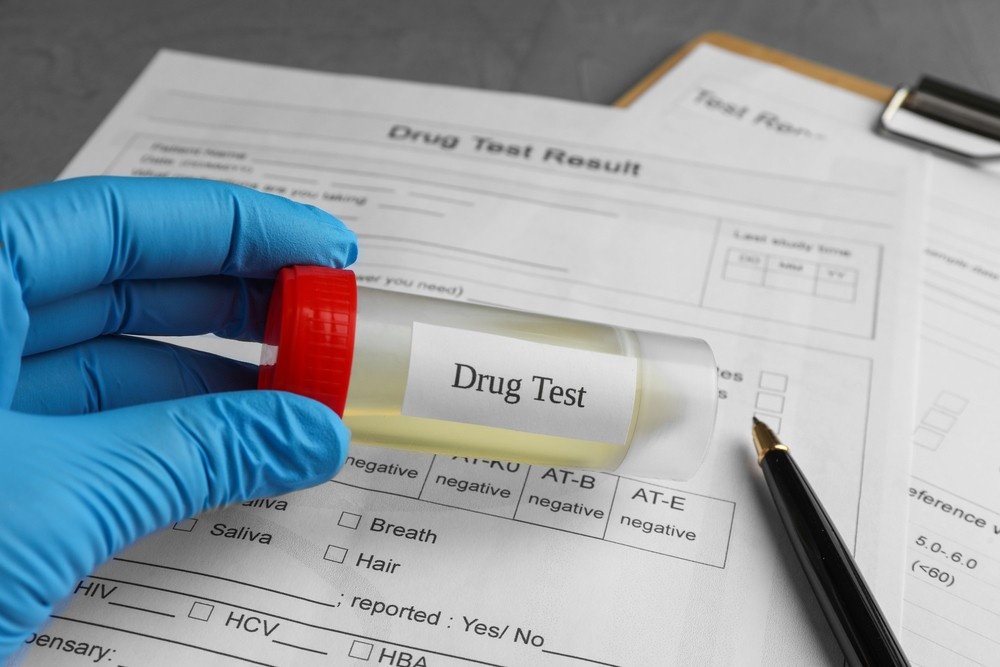
Federal drug screening isn’t your average workplace checklist—it’s a tightly regulated system designed to protect public safety. In industries governed by the Department of Transportation (DOT), testing is mandatory for employees operating commercial vehicles, heavy machinery, or any safety-sensitive role.
Think of it like this: you’re not just being evaluated as an employee—you’re being evaluated as someone responsible for potentially hundreds of lives on the road, in the air, or on construction sites. That’s why the standards are so strict.
A typical federal screening includes urine testing, sometimes breath alcohol testing, and random follow-ups throughout employment. These tests are standardized nationwide, whether you’re in the Mid West or any other region, ensuring consistency across states and employers.
Why Employers Take It So Seriously
From an employer’s perspective, a positive drug test is not just a “policy violation”—it’s a liability issue. One mistake in a safety-sensitive role can lead to accidents, lawsuits, insurance problems, and even federal penalties.
Imagine a trucking company in the Mid West with 200 drivers. If even one driver under the influence causes an accident, the consequences ripple across the entire company. That’s why employers don’t treat these results lightly.
It’s not personal—it’s risk management. And in regulated industries, risk is something companies are trained to eliminate, not negotiate.
The Immediate Aftermath Of A Positive Result
The moment a test comes back positive, things move quickly—sometimes faster than the employee expects.
Here’s what typically happens:
- The lab sends results to a Medical Review Officer (MRO)
- The MRO contacts the employee for verification
- If no valid medical explanation exists, the result is confirmed positive
- The employer is notified
- The employee is immediately removed from safety-sensitive duties
It can feel abrupt, almost like being “pulled out of the system overnight.” Many workers describe it as confusion followed by panic—but the process is structured, not emotional.
Can You Lose Your Job Instantly?
It depends on the employer’s internal policy and the type of violation.
Some companies have zero-tolerance policies, meaning termination is immediate. Others follow a more rehabilitative approach, especially in industries facing labor shortages.
However, one thing is consistent: you will be removed from duty right away. Even if you don’t lose your job, you cannot legally continue performing regulated work until the issue is resolved.
Think of it like a suspended license—you’re not necessarily “done,” but you are temporarily grounded.
Your Rights After A Positive Test
Even in a highly regulated system, workers still have rights. Many people don’t realize this until they’re already in the process.
You are entitled to:
- A full MRO review of your result
- Verification of any prescribed medications
- Confidential handling of medical information
- Entry into a return-to-duty program
- A structured rehabilitation pathway
These protections exist to prevent errors and ensure fairness. After all, false positives—while rare—can and do happen.
The Role Of DOT Regulations In Mid West Industries
In the Mid West, industries like trucking, agricultural transport, and infrastructure rely heavily on DOT-regulated workers. These sectors keep goods moving across states, making compliance essential.
DOT regulations create a uniform standard. Whether you’re working in Kansas, Illinois, or Ohio, the rules don’t change. That consistency is what keeps highways safe and logistics running smoothly.
Without these rules, each state would operate differently, creating confusion and safety risks across the supply chain.
What Happens In Safety-Sensitive Jobs
Safety-sensitive roles are treated differently because the stakes are higher. A small mistake can turn into a major disaster.
In these positions:
- Drug violations trigger immediate removal
- Return-to-duty steps are mandatory
- Follow-up testing becomes frequent
- Long-term monitoring is often required
It’s similar to a pilot losing flight clearance—restoration is possible, but only after strict evaluation and proof of readiness.
Rehabilitation And Return-To-Duty Process
A positive test doesn’t always mean the end of your career. Instead, it often marks the beginning of a structured recovery path.
The process usually includes:
Substance Abuse Professional (SAP) Evaluation
A certified professional assesses the situation and recommends treatment or education.
Completion of the Required Program
This could include counseling, rehabilitation programs, or educational courses.
Return-To-Duty Testing
A directly observed test ensures compliance before returning to work.
Follow-Up Testing Plan
Random tests over months or years confirm continued compliance.
It’s not quick—but it is designed to give workers a second chance.
How A Positive Test Impacts Future Employment
Even after completing rehabilitation, the record doesn’t simply disappear. Employers conducting background checks may still see the violation in federal databases.
However, context matters. A worker who completes the full SAP process often has better chances than someone who never follows through.
Employers generally ask one key question: Did you fix the issue properly? If the answer is yes, opportunities can still open up.
Misconceptions About Drug Testing
There’s a lot of misinformation surrounding federal screenings. Let’s clear up a few common myths:
- “One mistake ends your career forever.”
Not true. Many workers recover and return to full employment. - “All companies handle it the same way.”
False. Policies vary widely across employers. - “You can’t come back after a violation.”
Incorrect. Structured return-to-duty programs exist specifically for recovery.
The reality is more balanced than most people assume.
The Importance Of Medical Review Officers
The Medical Review Officer (MRO) plays a critical role in ensuring fairness. They are licensed physicians who review all test results before employers see them.
Their job includes:
- Checking for prescription medications
- Validating lab results
- Contacting employees for clarification
- Preventing false positives from being reported
Without the MRO, the system would be far more prone to errors and misinterpretation.
DOT Physicals For Less: Staying Compliant The Smart Way
Staying compliant in regulated industries isn’t just about passing tests—it’s about maintaining readiness year-round.
That’s where DOT Physicals for Less becomes relevant. For workers in the Mid West and beyond, staying updated on medical and compliance requirements helps prevent unexpected disruptions in employment.
Think of it like maintaining your vehicle—you don’t wait for a breakdown to get serviced. You stay ahead of it.

How “Dot Drug Test” Searches Reflect Real Worker Concerns
Search trends like dot drug test reveal something important: workers everywhere are anxious about what happens during and after testing.
Even though Houston is outside the Mid West, the concern is universal. People want to know:
- What happens if they fail?
- Can they recover?
- Will they lose their job immediately?
These searches reflect a deeper issue—job security in regulated industries feels fragile, especially when one test can change everything.
Steps To Protect Your Career Before Testing
The best strategy is prevention. Once you’re in the system, the rules are strict and non-negotiable.
Practical steps include:
- Understanding your employer’s drug policy
- Avoiding any prohibited substances entirely
- Keeping prescriptions documented
- Staying updated on DOT guidelines
- Treating compliance as part of the job, not an option
Preparation reduces anxiety—and protects your livelihood.
What Employers Look For After A Flagged Result
A positive test doesn’t just end at the result. Employers evaluate the entire recovery process.
They consider:
- Completion of SAP requirements
- Consistency in follow-up testing
- Work performance before and after the incident
- Overall reliability and safety awareness
In other words, they’re not just looking at the mistake—they’re looking at the recovery story.
Long-Term Career Recovery Strategies
Rebuilding a career after a violation takes time, but it’s possible with the right approach.
Effective strategies include:
- Completing every required step without shortcuts
- Applying to companies that offer second chances
- Maintaining long-term compliance without exceptions
- Rebuilding trust through consistent performance
Think of it as rebuilding reputation brick by brick—it won’t happen overnight, but it can become solid again.
DOT Physicals for Less Serving the Mid West Community and Beyond in Houston
DOT Physicals for Less is dedicated to serving the diverse needs of the local community of Houston, including individuals residing in neighborhoods like Mid West. With its convenient location near landmarks such as the Briarmeadow Park and major intersections like Beverly Hill St and Ann Arbor Dr (coordinates: 29.73019301718039, -95.50934454470142), we offer DOT drug test Houston services.
Get DOT Drug Test at Mid West Now
Navigate from Mid West to DOT Physicals for Less Now
Conclusion
A positive federal screening result can feel like a sudden stop, but in reality, it’s more of a detour than a dead end. In regulated industries across the Mid West, systems are built not only to enforce rules but also to allow structured recovery.
The key takeaway is simple: one result doesn’t define your entire career—but how you respond to it absolutely can. With the right steps, guidance, and compliance, many workers find their way back stronger and more aware than before.
FAQs
1. Does A Positive DOT Drug Test Always Mean Job Loss?
Not always. Some employers terminate immediately, while others offer rehabilitation options.
2. How Long Does A Violation Stay On Record?
It remains in federal databases until properly resolved through return-to-duty procedures.
3. Can I Work Again After Failing A Federal Screening?
Yes, after completing the SAP evaluation and return-to-duty requirements.
4. What Is A SAP Program?
It’s a structured recovery and education process required before returning to safety-sensitive work.
5. Is Recovery Possible After Multiple Violations?
Yes, but it becomes more challenging and depends on the employer’s willingness and compliance history.