What Does a DOT Physical Consist Of
July 31, 2025
Getting a DOT physical might sound intimidating, especially if it’s your first time. But here’s the good news: it’s not as complicated as it seems. If you’re a commercial driver, this exam ensures you’re physically and mentally fit to operate large vehicles safely. So, what exactly happens during a DOT physical? And why does it matter so much? Let’s break it all down.
At Dot Physicals for Less, we specialize in hassle-free, affordable DOT physicals that meet all FMCSA requirements, so you can stay compliant and on the road.
What Is a DOT Physical?
A DOT physical is a medical examination required by the Federal Motor Carrier Safety Administration (FMCSA). It’s designed to make sure commercial drivers are healthy and capable of handling long hours behind the wheel without putting themselves or others at risk.
It’s not your average check-up. This exam zeroes in on areas that affect driving performance—like vision, hearing, blood pressure, and neurological health.
Who Needs a DOT Physical?
If you drive a commercial vehicle that weighs more than 10,000 pounds, transports hazardous materials, or carries more than 8 passengers (for pay) or 15 passengers (not for pay), you’re required to pass a DOT physical. This includes:
- Truck drivers
- Bus drivers
- Delivery drivers
- School transport operators
Basically, if you’re behind the wheel for a living, a DOT physical is likely on your to-do list.
How Often Do You Need One in Gulfton?
Typically, a DOT medical certificate is valid for up to 24 months. However, if you have certain medical conditions—like high blood pressure, diabetes, or sleep apnea—you may need to renew it more often (every 3 months, 6 months, or annually).
At Dot Physicals for Less, we help you keep track of your renewal timeline so you never miss a deadline.
What Does the DOT Physical Include?
Let’s get into the meat of the matter—what actually happens during the exam?
Medical History Review
You’ll start by filling out a health history form. This includes questions about:
- Past surgeries or hospitalizations
- Chronic conditions (like diabetes, seizures, heart disease)
- Current medications
- Substance use
- Mental health history
Be honest. This information helps the examiner make informed decisions about your fitness to drive.
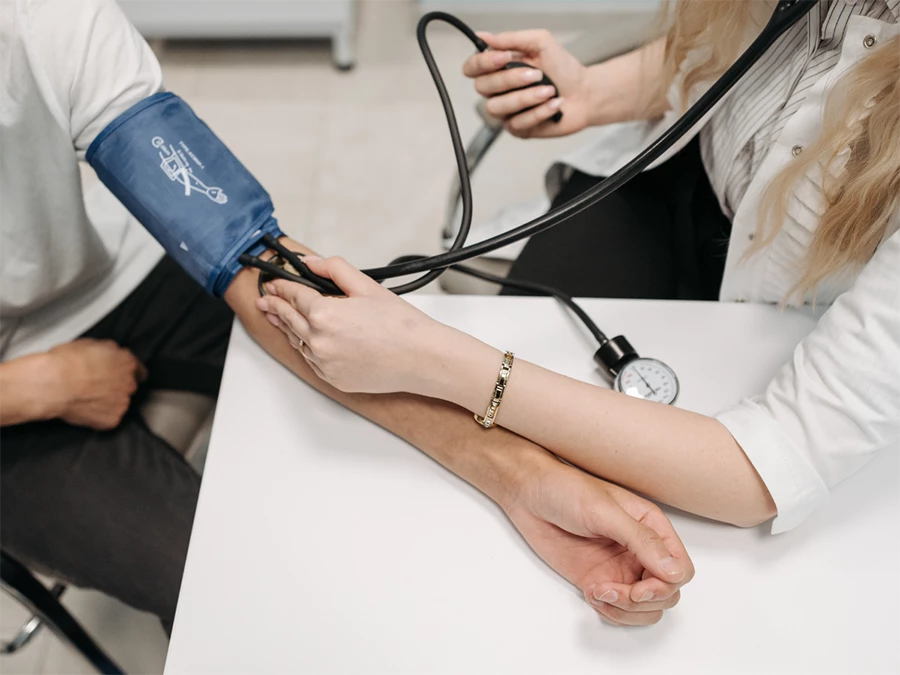
Vital Signs Check
The examiner will check:
- Blood pressure and heart rate
- Height and weight
- Body Mass Index (BMI)
These numbers help paint a picture of your cardiovascular health. For instance, if your blood pressure is too high, you might receive a temporary medical card and be asked to bring it down before retesting.
Vision Test
Clear vision is non-negotiable for safe driving. To pass, you must have:
- At least 20/40 vision in each eye (with or without corrective lenses)
- A 70-degree field of vision in horizontal meridian in each eye
- Ability to recognize standard traffic light colors (red, green, amber)
Glasses or contacts are fine—just bring them to the exam!
Hearing Test
You’ll also take a basic hearing test. To pass:
- You must hear a whispered voice at five feet, with or without a hearing aid.
- Alternatively, an audiometry test can be done to measure hearing in decibels.
Hearing aids are allowed—just make sure they’re functioning properly.
Urinalysis
Nope, this isn’t a drug test (though some employers may require one separately). This urine test checks for:
- Sugar (possible sign of diabetes)
- Protein
- Blood
- Signs of kidney disease or infection
This quick test helps screen for hidden health issues.
Physical Exam
The examiner will go head-to-toe checking for anything that could impair your driving, including:
- Lung and chest function
- Abdominal abnormalities
- Joint and spine mobility
- Reflexes and coordination
- Skin conditions
- Neurological functions
They’re not looking for perfection—just signs that you’re capable of handling the physical demands of the job.
Mental Health and Cognitive Function
Driving requires alertness, focus, and emotional control. The provider may assess:
- Memory
- Mood and affect
- Ability to follow instructions
- Signs of depression, anxiety, or substance abuse
Don’t worry—they’re not trying to psychoanalyze you. They just need to know that you’re mentally ready for the road.
What Medical Conditions Can Affect Your DOT Certification in Gulfton?
Some health issues can delay or prevent certification if they’re not well-managed. These include:
High Blood Pressure
- Below 140/90: You’re good for a 2-year certification.
- 140/90–159/99: 1-year certification.
- 160/100 or higher: Temporary disqualification until controlled.
Diabetes
You’ll need proof of blood sugar control. Insulin-dependent drivers must submit an Insulin-Treated Diabetes Mellitus (ITDM) form filled out by a treating clinician.
Sleep Apnea
You may need proof that you’re using a CPAP machine regularly and effectively.
Vision or Hearing Loss
Corrective devices (glasses, contacts, hearing aids) must bring you up to the minimum standards. You may also apply for an FMCSA vision or hearing exemption if needed.
What Happens If You Don’t Pass?
If you fail the physical, don’t panic. Many issues are fixable.
- High blood pressure? Get on medication and re-test.
- Diabetes unmanaged? Bring it under control and try again.
- Minor vision problems? Update your prescription lenses.
You can always take steps to meet requirements. At Dot Physicals for Less, we offer guidance on what to do next if you don’t pass on the first try.
How to Prepare for Your DOT Physical
Set yourself up for success with a little prep:
- Sleep well the night before
- Avoid salty foods and caffeine the day of (helps lower BP)
- Bring your glasses, contacts, or hearing aids
- Bring a list of current medications
- If you have a medical condition, bring relevant documentation from your doctor
It’s not about “acing” the test—it’s about being ready to drive safely and responsibly.
How Much Does a DOT Physical Cost?
Prices vary, but most range from $75 to $150 depending on the clinic and services provided. At Dot Physicals for Less, we keep it budget-friendly with transparent pricing and no hidden fees. Because staying compliant shouldn’t break the bank.
Where to Get a DOT Physical
You must visit a provider listed on the FMCSA National Registry of Certified Medical Examiners. Many urgent care centers, occupational health clinics, and private practices offer these services. Dot Physicals for Less in Gulfton is fully certified and experienced in working with CDL holders. We get you in, out, and back to work—fast.
What Happens After the Exam?
Once you pass:
- You’ll receive a Medical Examiner’s Certificate (MEC), valid up to 24 months.
- The examiner may also submit your results electronically to your state’s DMV (check your local laws).
- Keep a copy of your MEC with you at all times while driving.
If you’re temporarily disqualified, the examiner will explain next steps to restore your certification.
How Dot Physicals for Less Can Help
We’re not just another clinic. At Dot Physicals for Less, we:
- Specialize in quick, affordable DOT physicals
- Offer guidance for borderline results
- Help with FMCSA compliance paperwork
- Provide friendly, no-judgment service
Whether it’s your first exam or your fifth, we make the process simple.
Dot Physicals for Less Serving the Gulfton Community and Beyond in Houston
Dot Physicals for Less is dedicated to serving the diverse needs of the local community of Houston, including individuals residing in neighborhoods like Gulfton. With its convenient location near landmarks such as Benavidez Elementary School and major intersections like Gulfton St. & Westward St. (coordinates: 29.716704099999987, -95.4938099), we offer walk ins DOT physical Houston services.
Get Walk Ins DOT Physical at Gulfton Now
Navigate from Gulfton to Dot Physicals for Less Now
Why Your DOT Physical Is More Than Just a Requirement
Getting a DOT physical is a crucial part of being a responsible commercial driver. It’s not just about ticking a box—it’s about making sure you’re physically and mentally equipped to handle the challenges of the job. The exam covers everything from vision and hearing to blood pressure and mental health.
With the right prep and support (like what we offer at Dot Physicals for Less near Gulfton), it doesn’t have to be stressful. Instead, think of it as a quick pit stop to keep your career on the road and running smoothly.
FAQs
1. Can I get a DOT physical if I have diabetes?
Yes, but you’ll need proof of good blood sugar control. If you take insulin, your treating provider must complete an ITDM form. Many drivers with diabetes are still eligible.
2. Do I need to fast before a DOT physical?
No fasting is required. However, avoiding caffeine and salty foods beforehand can help keep your blood pressure within range.
3. Does a DOT physical include a drug test?
Not always. The standard DOT physical only includes a urinalysis for medical reasons, not for drugs. Your employer may require a separate drug screen.
4. Can I wear contact lenses during the vision test?
Yes! If you use corrective lenses, bring them with you. You’ll need to meet the vision standard either naturally or with assistance.
5. What if I fail the hearing test?
You may still qualify if you can pass with a properly working hearing aid. If you need an audiometry test, the clinic can help set that up.