How Can You Prepare for Your DOT Drug Test? Tips and FAQs
January 24, 2026
Preparing for a DOT drug test is a critical responsibility for anyone working in a safety-sensitive position. Whether you are a commercial driver, transportation employee, or employer overseeing compliance, understanding how DOT drug testing works—and how to prepare properly—can help prevent costly mistakes, delays, or career setbacks.
DOT drug testing is federally regulated and strictly enforced. Unlike non-DOT workplace testing, these tests follow standardized procedures with zero tolerance for shortcuts, misunderstandings, or attempts to manipulate results.
In the Mid West, drivers and employers often turn to DOT Physicals for Less for affordable, compliant DOT physicals and guidance through the testing process.
This in-depth guide explains what a DOT drug test is, who must take it, how to prepare, what happens during testing, and how to avoid common issues—so you can approach your test with confidence.
What Is a DOT Drug Test?
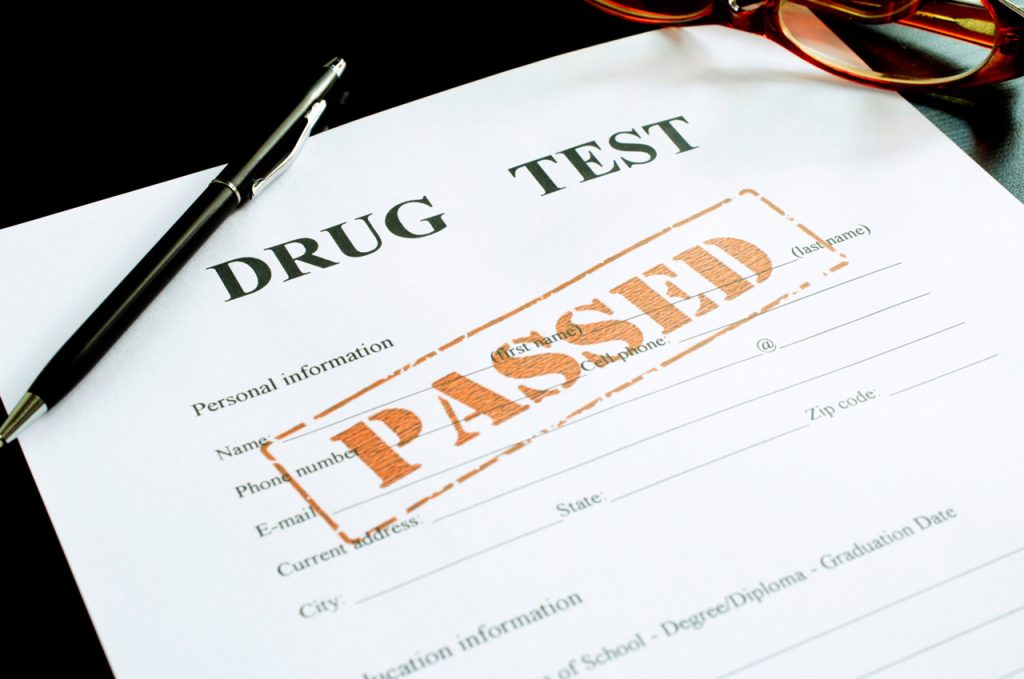
A DOT drug test is a federally mandated screening required for employees performing safety-sensitive duties. These tests are regulated under federal guidelines and are designed to protect public safety by ensuring workers are not impaired while performing critical tasks.
DOT drug testing is governed by strict procedures covering everything from specimen collection to laboratory analysis and result verification. Because of this, DOT tests are more structured and less flexible than non-DOT workplace drug tests.
What Substances Are Tested?
DOT drug tests use a standardized 5-panel urine test, which screens for:
- Marijuana (THC)
- Cocaine
- Amphetamines (including methamphetamine)
- Opiates (including heroin, morphine, and codeine)
- Phencyclidine (PCP)
Alcohol testing is conducted separately and may also be required depending on the situation.
Who Is Required to Take a DOT Drug Test?
DOT drug testing applies to individuals working in roles classified as safety-sensitive. These roles involve responsibilities where impairment could endanger lives, property, or the environment.
Common examples include:
- Commercial motor vehicle drivers
- Transit and shuttle drivers
- Aviation personnel
- Railroad employees
- Pipeline and hazardous materials workers
If your position falls under DOT authority or requires a CDL, DOT drug testing is mandatory—not optional.
When Are DOT Drug Tests Conducted?
DOT drug tests are required at specific times throughout employment. Understanding these testing scenarios helps you stay prepared year-round.
Pre-Employment Testing
Before beginning any DOT-regulated safety-sensitive job, you must pass a DOT drug test. Employers cannot allow you to start work until a negative result is received.
Failing or refusing a pre-employment test can prevent you from being hired and may be reported in official records.
Random Drug Testing
Random DOT drug tests are conducted without advance notice. Employees are selected by a computer-based system and must report immediately once notified.
Delaying or failing to appear for a random test is considered a refusal.
Post-Accident Testing
After certain accidents involving injuries, fatalities, or vehicle damage, DOT regulations require post-accident drug and alcohol testing. Timing is critical, and delays can result in violations.
Reasonable Suspicion Testing
If a trained supervisor observes signs of possible drug or alcohol use—such as unusual behavior, speech issues, or physical symptoms—a reasonable suspicion test may be ordered.
Return-to-Duty and Follow-Up Testing
Employees who previously violated DOT drug or alcohol rules must complete a structured return-to-duty process, including evaluation, treatment, and ongoing follow-up testing.
How to Properly Prepare for Your DOT Drug Test
Preparation is about compliance, honesty, and awareness, not trying to “beat” the test. The following steps can help ensure a smooth testing experience.
Understand What Is and Is Not Allowed
DOT regulations prohibit certain substances regardless of state or local laws. Even if a substance is legal elsewhere, it may still be banned under DOT rules.
Important reminder: Marijuana remains prohibited for DOT-regulated employees, even if it is legal for recreational or medical use.
Review All Medications and Supplements
Prescription medications are allowed if they are legally prescribed to you. However:
- You may be contacted by a Medical Review Officer (MRO)
- You must be able to verify the prescription
- Using someone else’s medication is not allowed
Supplements, herbal products, and CBD items can be risky due to contamination or inaccurate labeling.
Maintain Normal Hydration
Drink fluids as you normally would.
- Dehydration can make it difficult to provide a sample
- Overhydration can result in a dilute specimen, requiring retesting
Avoid trying to manipulate hydration levels.
Avoid Detox Products and Myths
Detox drinks, powders, pills, or home remedies do not work for DOT drug tests. Laboratories test for adulterants and unusual sample characteristics.
Attempting to alter a specimen is treated as a refusal, which carries serious consequences.
Bring Proper Identification
Always bring a valid government-issued photo ID. Without proper identification, the test may not proceed.
What to Expect During the DOT Drug Test Process
Knowing what happens during testing can reduce stress and help you feel more prepared.
Step-by-Step Testing Overview
- Check-in and identity verification
- Review of testing instructions
- Urine specimen collection
- Sample sealing and documentation
- Laboratory analysis
- Medical Review Officer verification
The process is designed to ensure accuracy, fairness, and integrity from start to finish.
Common DOT Drug Test Mistakes That Can Cost You
Many DOT violations occur not from drug use, but from misunderstanding the rules.
Using CBD or Unregulated Products
CBD products may contain trace amounts of THC, which can result in a positive test.
Failing to Report Immediately
Delays in reporting for a test—even unintentionally—can be considered a refusal.
Attempting to Tamper With the Sample
Any attempt to substitute, alter, or interfere with a specimen leads to immediate disqualification.
Assuming Medical or State Law Exceptions Apply
DOT rules override state laws. Medical marijuana cards do not provide protection under DOT regulations.
DOT Drug Testing vs. DOT Physical Exams
DOT drug tests and DOT physicals often occur around the same time but serve different purposes.
DOT Physical Exams Evaluate:
- Vision and hearing
- Blood pressure
- Overall physical fitness
- Medical history
DOT drug tests focus solely on prohibited substance use.
Many drivers in the Mid West choose DOT Physicals for Less because it provides accessible, affordable DOT physical services while helping drivers understand compliance requirements.
What Happens If You Fail or Refuse a DOT Drug Test?
Failing or refusing a DOT drug test has serious, long-term consequences.
Possible outcomes include:
- Immediate removal from safety-sensitive duties
- Mandatory Substance Abuse Professional (SAP) evaluation
- Entry into official reporting systems
- Required treatment or education programs
- Return-to-duty testing
- Ongoing follow-up testing for up to five years
These consequences can disrupt your career and create significant financial and professional challenges.
Employer Responsibilities for DOT Drug Testing
Employers must also follow strict DOT rules, including:
- Implementing a compliant drug testing program
- Using certified laboratories and trained collectors
- Conducting supervisor training
- Maintaining accurate records
- Ensuring timely reporting when required
Partnering with reliable DOT service providers helps employers stay compliant and reduce risk.
Why Choosing the Right DOT Provider Matters
DOT drug testing is highly regulated, and mistakes can affect both employees and employers. A trusted provider helps ensure:
- Accurate documentation
- Regulatory compliance
- Fair testing procedures
- Reduced stress for drivers
- Faster processing and clarity
In the Mid West, DOT Physicals for Less is known for focusing on affordability, professionalism, and compliance—key factors for DOT-regulated workers.
DOT Physicals for Less Serving the Mid West Community and Beyond in Houston
DOT Physicals for Less is dedicated to serving the diverse needs of the local community of Houston, including individuals residing in neighborhoods like Mid West. With its convenient location near landmarks such as the Briarmeadow Park and major intersections like Richmond Ave. and Chris Dr. (coordinates: 29.730193521018375, -95.50416632983561), we offer DOT drug test Houston services.
Get DOT Drug Test At Mid West Now
Navigate from Mid West to DOT Physicals for Less Now
Preparation Protects Your Career
Preparing for your DOT drug test is not about shortcuts—it’s about understanding the rules and following them carefully. Staying informed, avoiding risky products, and working with experienced DOT professionals can help protect your livelihood and peace of mind.
Whether you’re preparing for a test or managing DOT compliance, knowledge is your strongest advantage.
FAQs
1. How long do drugs stay detectable in a DOT drug test?
Detection times vary by substance and usage patterns, but most DOT urine tests detect recent use within several days.
2. Can legal substances cause a failed DOT drug test?
Yes. Substances that are legal at the state level or sold over the counter can still violate DOT rules.
3. What does a “refusal to test” mean?
A refusal includes failing to report on time, leaving the test site early, or attempting to tamper with a specimen.
4. Will prescription medications automatically disqualify me?
No. Prescriptions may be allowed if verified by the Medical Review Officer and used as directed.
5. Can I take a DOT drug test and DOT physical on the same day?
Yes, many drivers schedule both on the same day for convenience, though they are evaluated separately.