How To Beat A DOT Physically?
November 23, 2025
Passing a DOT physical can feel intimidating, especially with all the rules, tests, and medical standards you have to meet. But here’s the truth: it’s not about tricking the system—it’s about preparation, awareness, and keeping your health in check.
Millions of commercial drivers go through this every year, and with the right strategies, you can pass your exam confidently, stress-free, and walk out with your DOT card in hand. This guide dives into everything you need to know, from medical preparation to exam-day tips, with insights from trusted providers like DOT Physicals for Less.
Understanding the DOT Physical
Purpose of a DOT Physical
The DOT physical is a mandatory medical exam for commercial drivers regulated by the Department of Transportation. Its main goal is to ensure that drivers are physically and mentally fit to operate commercial vehicles safely. This isn’t just bureaucracy—it’s about protecting you, your passengers, and everyone on the road.
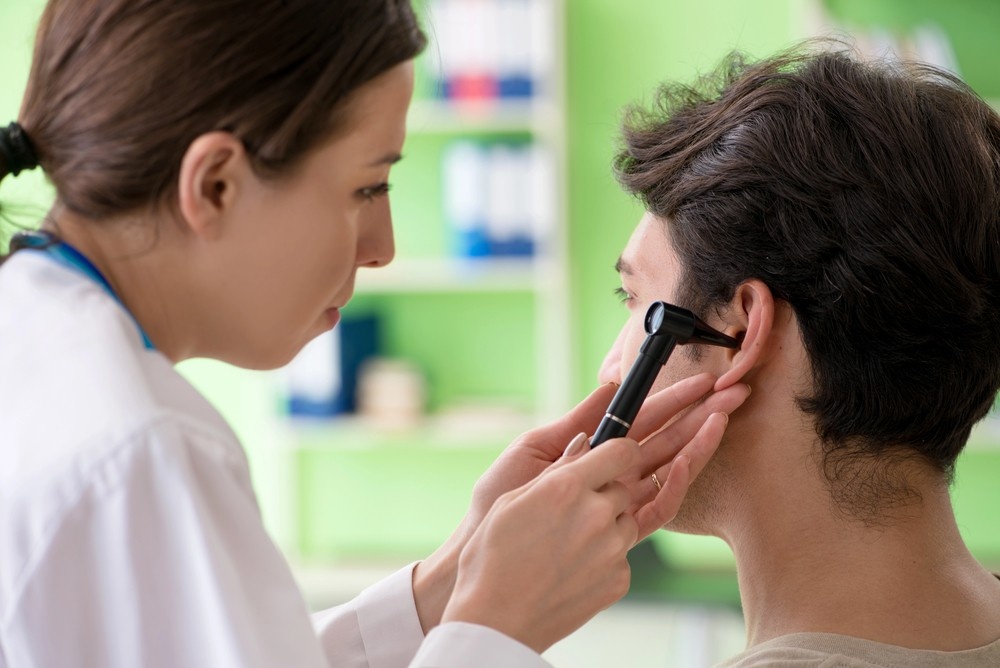
Examiners look for health issues that could interfere with safe driving, including heart problems, uncontrolled diabetes, vision or hearing problems, and sleep disorders.
The DOT physical is also a legal requirement. Driving without a valid medical certificate can result in fines, license suspension, and even job loss. So, taking it seriously is essential. Think of it as an investment in your driving career.
Key Health Areas Checked
The DOT physical examines your overall health, with focus on several key areas:
- Cardiovascular health: Blood pressure, heart rate, and overall heart function.
- Diabetes and glucose management: Ensuring your blood sugar is stable and well-managed.
- Vision and hearing: Minimum standards must be met for safe driving.
- Respiratory health: Sleep apnea and other breathing issues are assessed.
- General physical fitness: Height, weight, reflexes, and joint health are also checked.
Understanding these areas helps you focus your preparation and improve your chances of passing.
Preparing for Your DOT Physical
Preparation is the difference between walking out confident and leaving stressed. Here’s how to get ready in advance.
Mental Preparation
Your mindset can directly affect your performance. Anxiety or stress can spike blood pressure, alter your breathing, and make your body less cooperative during the exam. Try calming techniques like deep breathing, meditation, or visualization.
Imagine walking into the exam room confidently, answering questions smoothly, and completing the tests with ease. Mental preparation sets the tone for a smooth exam day.
Gathering Necessary Documents
Bring all relevant documentation to avoid delays or confusion:
- Current list of medications with dosages
- Medical history, including chronic conditions
- Recent lab results or test reports
- Eyeglass or hearing aid prescriptions
Being organized shows examiners that you’re responsible and proactive about your health, which can influence the evaluation positively.
Medical Conditions That May Affect Passing
Certain health conditions can impact your DOT physical. Knowing them helps you manage them effectively.
High Blood Pressure
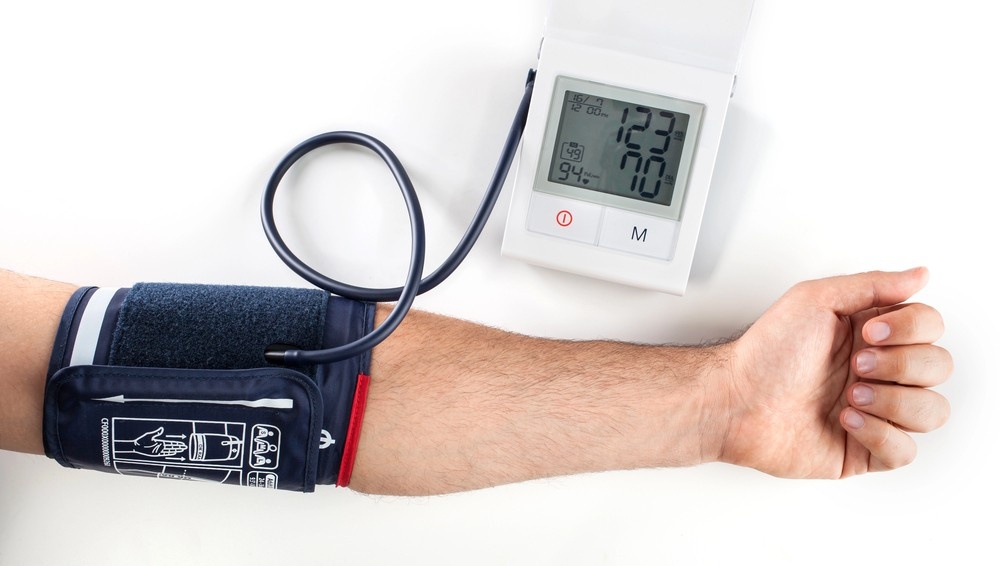
Uncontrolled hypertension is one of the most common reasons drivers fail. If your blood pressure is elevated during the exam, your DOT card could be delayed. To prepare:
- Monitor your blood pressure daily
- Limit sodium and processed foods
- Maintain consistent physical activity
- Take medications as prescribed
Even modest improvements can make a significant difference in passing the exam.
Diabetes Management
Uncontrolled diabetes is another common concern. Examiners want to see that your blood sugar is stable and you can manage your condition responsibly. Keep records of your A1C test results, maintain a balanced diet, and avoid sugar spikes in the days leading up to the exam.
Vision and Hearing Issues
Commercial drivers must meet minimum standards for both vision and hearing. If you require glasses or hearing aids, bring them and ensure your prescriptions are up to date. Even minor lapses in vision or hearing can trigger a failed exam. Schedule an eye exam beforehand if needed.
Sleep Apnea and Respiratory Concerns
Sleep apnea can affect alertness and overall safety. If you’ve been diagnosed, use your CPAP machine consistently, avoid alcohol before sleep, and discuss your condition with your physician. Proper management shows examiners that your condition is under control.
Tips for Passing a DOT Physical
Diet and Hydration Strategies
What you eat leading up to the exam matters. Eat whole foods, reduce sodium, avoid processed meals, and stay well-hydrated. Skip excessive caffeine or energy drinks on the day of the exam—they can raise blood pressure and cause jitters. Drinking water regularly helps your body function optimally during the tests.
Exercise and Fitness Prep
Moderate exercise can improve circulation, lower stress, and regulate blood pressure. A short walk or light cardio a few days before your appointment is ideal. Avoid overexertion or strenuous workouts right before the exam, as fatigue can negatively affect results.
Managing Stress Before the Exam
Stress can sabotage your DOT physical more than anything. Techniques like mindfulness, visualization, or listening to calming music help keep your body relaxed. Sleep well in the nights leading up to your appointment—rest is critical for accurate blood pressure and blood sugar readings.
How to Approach Your Physician Honestly
Honesty is essential during the exam. Attempting to hide medical conditions or medications is risky. Examiners need a clear picture of your health, and managing conditions effectively while being transparent demonstrates responsibility.
DOT Physicals for Less: Making the Process Easier
Affordable Options in Your Area
Services like DOT Physicals for Less make the process accessible and affordable. They provide comprehensive DOT exams without breaking the bank. Their streamlined services reduce stress and help drivers stay compliant with minimal hassle.
Scheduling and Convenience Tips
Book your exam early to avoid last-minute stress. Many clinics offer online scheduling, extended hours, and flexible appointments to accommodate busy work schedules. Planning ahead ensures you have time to address any flagged concerns before the exam.
Understanding the Exam Components
Knowing what’s included in a DOT physical removes uncertainty and helps you focus.
Urine and Blood Tests
These tests check for kidney function, diabetes control, and possible substance use. Stay hydrated but avoid excessive water intake immediately before the test, as it can dilute results. Bring any documentation about prescription medications to avoid misunderstandings.
Vision and Hearing Tests
Screenings measure if you meet minimum DOT standards. Corrective lenses or hearing aids are acceptable, but examiners need accurate information recorded. Make sure your prescriptions are current.
Physical Examination and Vital Signs
The examiner will check heart, lungs, reflexes, joint function, and overall physical health. Maintaining fitness, a healthy weight, and regular exercise increases your chances of passing. Small lifestyle adjustments before the exam can have a noticeable impact.
Common Mistakes That Lead to Failing
Ignoring Medications or Conditions
Some drivers stop medications on their own before the exam, thinking it will improve results. This is dangerous and counterproductive. Always follow your physician’s advice and manage your conditions responsibly.
Last-Minute Unhealthy Habits
Binge eating, skipping sleep, or engaging in high-stress activities right before the exam can negatively affect your health metrics. Consistency in lifestyle habits is more effective than last-minute “hacks.”
Long-Term Health Strategies to Keep Your DOT Card
Passing the DOT physical is only the beginning. Maintaining your health ensures continuous compliance and safety.
Monitoring Blood Pressure and Glucose Levels
Regular monitoring prevents surprises at your next exam and demonstrates responsible health management. Use home monitors and track trends over time.
Maintaining Healthy Weight and Fitness
Balanced nutrition and regular exercise reduce the risk of failing due to weight-related issues. Simple daily routines like walking, stretching, or light workouts help maintain long-term health.
Avoiding Tobacco and Alcohol Missteps
Both can affect blood pressure, liver function, and sleep quality. Minimizing or eliminating these substances keeps your health metrics within safe ranges for DOT standards.
After the DOT Physical: Next Steps
If You Pass
Celebrate, but don’t get complacent. Schedule your next routine physical on time, and continue healthy habits to ensure you remain compliant.
If You Don’t Pass
Don’t panic. Address the flagged issues, follow medical advice, and retake the exam. Many drivers fail on the first attempt for easily manageable reasons. Persistence and proper preparation lead to success.
DOT Physicals for Less Serving the Mahatma Gandhi District Community and Beyond in Houston
DOT Physicals for Less is dedicated to serving the diverse needs of the local community of Houston, including individuals residing in neighborhoods like Mahatma Gandhi District. With its convenient location near landmarks such as the Benavidez Elementary School and major intersections like Gulfton St. & Westward St. (coordinates: 29.716704099999987, -95.4938099), we offer DOT physical Houston TX services.
Get DOT Physical at Mahatma Gandhi District Now
Navigate from Mahatma Gandhi District to DOT Physicals for Less Now
Mastering Your DOT Physical with Confidence
Passing a DOT physical isn’t about shortcuts or tricks—it’s about preparation, awareness, and responsible health management.
By taking care of your body, staying honest with your examiner, and leveraging services like DOT Physicals for Less, you can confidently pass your exam and keep your commercial driving career on track. Healthy habits now save time, money, and stress later.
FAQs
1. Can I pass a DOT physical if I have high blood pressure?
Yes, if it’s well-managed with medication, diet, and exercise. Examiners look for controlled blood pressure, not perfection.
2. How long does a DOT physical take?
Typically, 30–60 minutes depending on required tests and paperwork. Preparing documents in advance speeds up the process.
3. What happens if I fail the urine test?
You’ll need to address the underlying issue and retake the test. Honest communication with your doctor ensures you’re prepared for a retest.
4. Can I use corrective lenses or hearing aids during the exam?
Yes. Examiners record these devices to ensure you meet DOT standards, and using them is completely acceptable.
5. How often do I need a DOT physical?
Every 24 months for most drivers. Certain medical conditions may require more frequent exams.