How Thorough Is A Dot Physical?
November 11, 2025
If you’re a commercial driver, or planning to be one, you’ve probably heard about DOT physicals. Maybe you’ve wondered: “Is it really that strict? Can I just breeze through it?” The truth is, DOT physicals are more thorough than most drivers realize. These exams don’t just glance at your health; they dig deep into multiple areas to make sure you’re fit to operate a commercial vehicle safely.
DOT physicals exist for a reason. Driving a large truck or bus isn’t the same as driving your personal car. You’re handling heavier vehicles, navigating longer distances, and often dealing with fatigue and tight schedules.
A sudden health problem on the road could endanger not only you but everyone around you. Understanding the DOT exam process can help you prepare and pass without unnecessary stress.
What is a DOT Physical?
Purpose of the DOT Physical
A DOT physical is not just a routine check-up. Its main goal is road safety. The Department of Transportation (DOT) requires these physicals to evaluate whether a driver can operate commercial vehicles safely.
Doctors focus on conditions that could affect driving, like cardiovascular problems, vision issues, or sleep disorders. Essentially, it’s a health audit specifically designed for drivers.
Who Needs a DOT Physical?
If you drive commercially, chances are you need a DOT physical. This includes operators of vehicles weighing over 10,001 pounds, those carrying hazardous materials, and passenger transport drivers. Even local delivery or school bus drivers may fall under these requirements. DOT physicals apply nationwide and are standardized to ensure uniform safety standards.
Medical History Review
Chronic Conditions Examiners Look For
During your DOT physical, the examiner will review your medical history. They pay special attention to chronic conditions like high blood pressure, diabetes, heart disease, and sleep apnea. These conditions can cause sudden problems on the road, so doctors ask detailed questions about your history, symptoms, and treatment plans.
Medications and Their Impact
Medications play a significant role in the exam. Some prescriptions can cause drowsiness, dizziness, or other side effects that may impair driving. Examiners carefully review your medication list to ensure none of them affect your ability to safely operate a vehicle. Being upfront about your medications can prevent delays or unexpected test results.
Physical Examination Process
Vision and Hearing Tests
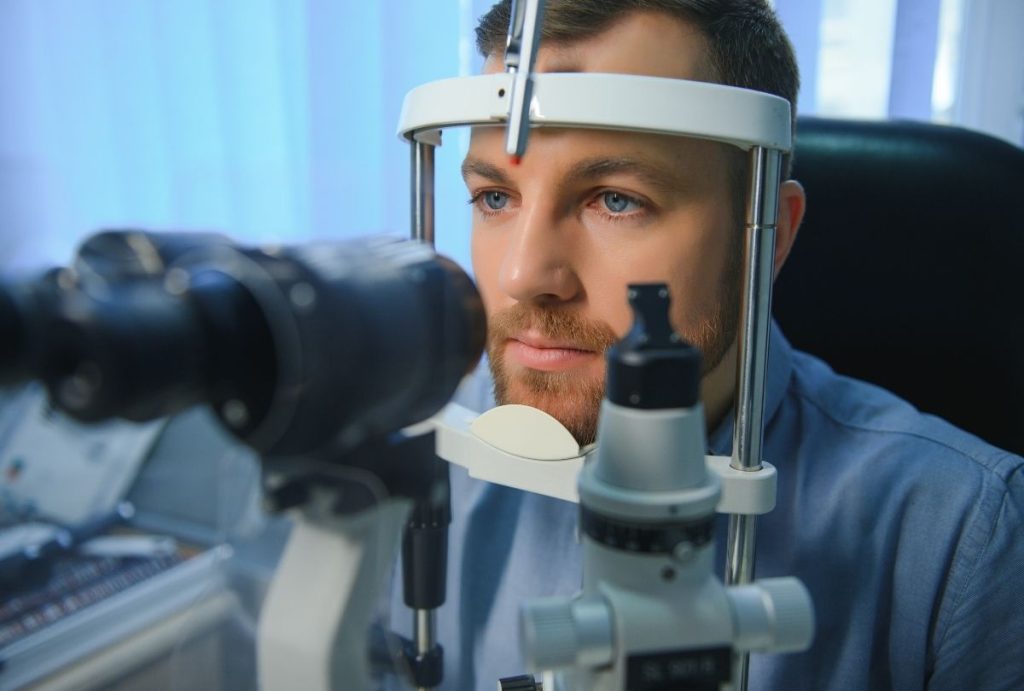
Your eyes and ears are critical on the road. DOT physicals check your vision, including the ability to distinguish colors and read road signs. Hearing is also tested since drivers need to detect horns, sirens, and other auditory signals. If you wear corrective lenses or hearing aids, bring them with you—they’re fully acceptable during the exam.
Cardiovascular and Respiratory Checks
The examiner checks your heart and lungs carefully. They measure blood pressure, listen to your heart for irregularities, and assess lung function. Conditions like high blood pressure, heart murmurs, or shortness of breath are flagged since they can lead to sudden emergencies while driving.
Musculoskeletal and Neurological Assessment
Strength, flexibility, and reflexes are evaluated to ensure you can handle vehicle controls safely. Examiners look for issues like joint stiffness, nerve damage, or reduced mobility. Even minor musculoskeletal problems can make long drives uncomfortable or dangerous, so they take this part seriously.
Urine and Blood Tests
Diabetes and Blood Sugar Levels
Diabetes is closely monitored because it can cause complications like vision problems, fatigue, or sudden drops in blood sugar. Blood and urine tests help the examiner assess whether your diabetes is well-controlled and safe for commercial driving.
Kidney Function and Protein Detection
Urine tests also detect kidney function and protein levels. Abnormal results could indicate underlying health issues. The exam catches these early to prevent drivers from experiencing sudden medical events on the road.
The Role of DOT Physicals in Safety Compliance
Why Safety is the Main Priority
DOT physicals exist to protect everyone on the road. Commercial drivers handle heavy vehicles that can cause serious accidents if something goes wrong. These exams reduce the risk of accidents caused by sudden medical issues.
Common Reasons for Failure
Drivers may fail a DOT physical due to uncontrolled blood pressure, diabetes, vision problems, sleep disorders, or neurological conditions. Examiners consider severity and may request follow-up tests or treatment plans before issuing certification.
DOT Physicals for Less in Robindell: What Makes Them Reliable
Affordable and Accessible Exams in Robindell
DOT Physicals for Less in Robindell provides affordable exams without compromising thoroughness. They cater to commercial drivers, balancing cost and professional standards. This makes health assessments accessible for everyone, from local delivery drivers to long-haul truckers.
Streamlined Process Without Cutting Corners
Despite affordability, DOT Physicals for Less maintains a comprehensive process. You get a detailed medical history review, full physical, and lab tests. The clinic ensures no steps are skipped, making the exam both fast and thorough.

Preparing for Your DOT Physical
Tips to Get Ready
Preparation can make your exam smoother. Drink plenty of water, get a good night’s sleep, and avoid heavy meals immediately before the exam. Have a list of medications and relevant medical records handy. Little steps like these prevent delays and surprises.
What to Bring and Expect
Bring a valid photo ID, medical records, corrective lenses or hearing aids, and your list of medications. Expect vision and hearing tests, blood pressure measurements, a physical examination, and urine tests. Typically, the exam takes 30–60 minutes.
Common Misconceptions About DOT Physicals
Can You “Pass” Without Being Healthy?
Some drivers believe they can cheat the exam or hide conditions. DOT examiners are trained to detect inconsistencies and hidden health problems. Failing to disclose conditions can put your safety, and others’, at risk and may result in legal consequences.
How Examiners Detect Hidden Issues
Blood pressure readings, lab tests, reflex checks, and other measures reveal underlying conditions, even if you feel fine. DOT physicals dig deeper than surface-level symptoms to ensure every driver is fit for the road.
After the DOT Physical
Certification Validity and Renewal
Once you pass, your DOT medical certificate is typically valid for 24 months. Drivers with specific conditions may receive shorter-term certifications, requiring more frequent follow-ups. Mark your calendar for renewal to avoid interruptions in your driving career.
Follow-up Steps if You Don’t Pass
Failing a DOT physical isn’t the end. Addressing medical issues, providing updated documentation, or following a treatment plan can lead to eventual certification. Examiners guide drivers on the steps needed to meet DOT requirements.
DOT Physicals for Less Serving the Robindell Community and Beyond in Houston
DOT Physicals for Less is dedicated to serving the diverse needs of the local community of Houston, including individuals residing in neighborhoods like Robindell. With its convenient location near landmarks such as the Belin Chapel and major intersections like Marinette Dr. & Concho St. (coordinates: 29.694220154265388, -95.5093389797326), we offer best price DOT physical Houston services.
Get Best Price DOT Physical at Robindell Now
Navigate from Robindell to DOT Physicals for Less Now
Why DOT Physicals Are Critical for Every Driver
DOT physicals are far more thorough than most drivers expect. They combine medical history review, physical exams, lab tests, and vision/hearing evaluations to ensure drivers are safe behind the wheel.
Clinics like DOT Physicals for Less in Robindell provide affordable, professional, and reliable services that maintain these high standards. Taking the exam seriously safeguards both your health and everyone on the road.
FAQs
1. How long does a DOT physical usually take?
Most exams last 30–60 minutes, depending on the tests required.
2. Can I eat or drink before my DOT physical?
Yes, but avoid heavy meals or excessive caffeine immediately before the exam.
3. How often do I need a DOT medical certificate?
Typically, every 24 months, though certain conditions may require shorter intervals.
4. What happens if I fail the exam?
You can address medical issues and schedule a follow-up once you meet requirements.
5. Is DOT Physicals for Less legitimate?
Absolutely. We provide state-compliant, thorough, and affordable exams in Robindell.