
How Far Back Does A DOT Urine Drug Test Go?
November 28, 2025
If you’re a commercial driver or planning to become one, you’ve probably wondered: how far back can a DOT urine drug test detect substances? It’s a question that pops up more than you might think, especially with the stakes so high.
DOT drug testing isn’t just paperwork—it’s about keeping roads safe, protecting lives, and ensuring that drivers operate vehicles responsibly. Understanding detection windows, influencing factors, and test procedures can help you navigate the process confidently and safely.
Understanding DOT Urine Drug Tests
DOT urine drug tests are more than routine checks—they are a crucial part of road safety regulations. The Department of Transportation (DOT) mandates these tests for commercial drivers to reduce accidents caused by impairment. Unlike random drug tests, DOT testing follows strict federal guidelines to maintain consistency, fairness, and accuracy.
What DOT Stands For
DOT stands for the Department of Transportation, the federal agency responsible for regulating commercial transportation safety in the United States. This includes everything from trucking and buses to pipelines and railroads. For drivers, DOT regulations are mandatory, and the tests they enforce help prevent accidents caused by drug use on the road.
Why DOT Drug Tests Are Important
DOT drug tests are not just administrative hurdles—they are life-saving measures. Driving a commercial vehicle while impaired can be catastrophic. DOT tests ensure drivers are sober and medically fit, protecting the driver, passengers, cargo, and everyone else on the road. Failing to comply isn’t just a job risk—it can be a legal issue and a public safety concern.
The Basics of a Urine Drug Test
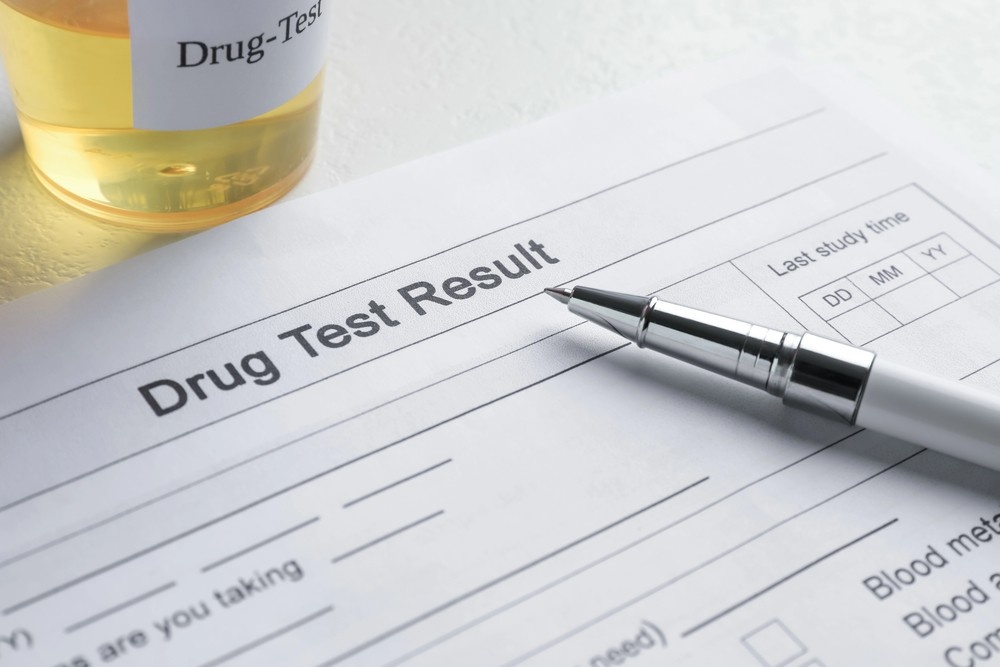
Urine drug tests are the most commonly used method for detecting drug use among commercial drivers. These tests don’t measure intoxication; instead, they look for drug metabolites—the chemical byproducts left after your body processes a substance. Metabolites linger in the body longer than the active effects of the drug, making urine testing reliable for identifying past use.
How Urine Tests Detect Drugs
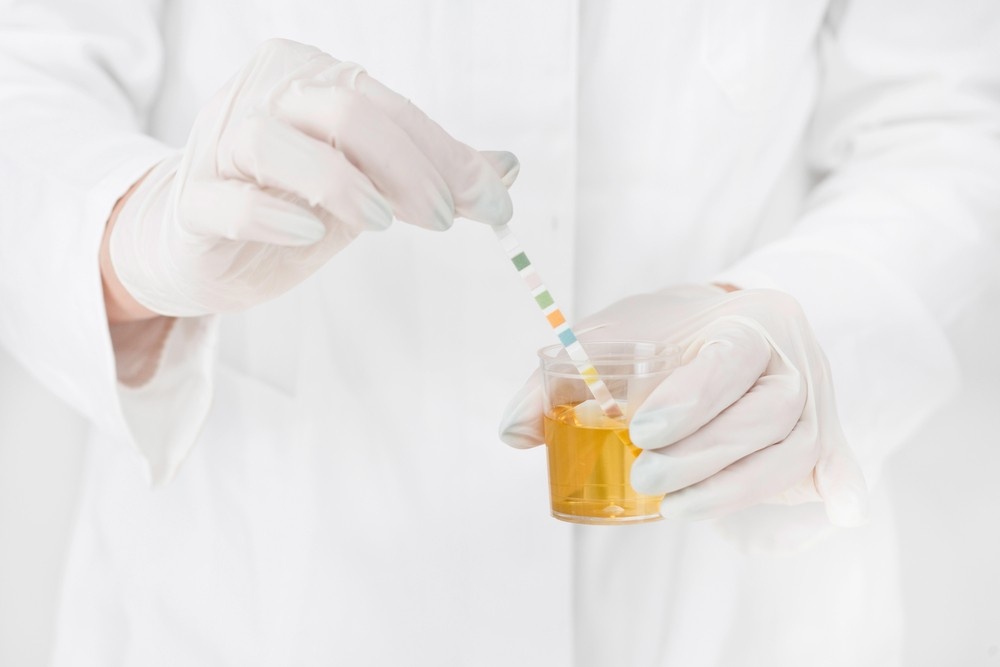
When you consume a substance, your body breaks it down into metabolites. These metabolites circulate in your bloodstream and eventually exit the body through urine. Laboratories analyze urine samples for these chemical traces.
The presence of metabolites indicates that a drug was used at some point, even if you feel completely sober at the time of the test. This is why understanding the detection timeline is so critical.
Common Substances Tested
DOT urine drug tests focus on five main classes of substances:
- Marijuana (THC)
- Cocaine
- Opiates (like morphine, codeine, heroin)
- Amphetamines and Methamphetamines
- PCP (Phencyclidine)
Some employers may request additional panels to test for alcohol, synthetic opioids, or other substances, depending on safety requirements.
Detection Windows Explained
The term “detection window” refers to how long a drug can be detected in your system. Different substances stay in the body for varying periods, and multiple factors influence how long metabolites remain in urine. Understanding these timelines can help you plan ahead and maintain compliance.
How Long Different Drugs Stay in Your System
Here’s a breakdown of common substances and their approximate detection periods in urine:
Marijuana (THC)
Marijuana is fat-soluble, which means it can remain in your system for longer than many other drugs. Occasional users may test positive for 1–3 days, while chronic users can test positive for up to 30 days or even longer. THC is stored in fat cells, and slow metabolism can extend its presence in urine.
Cocaine
Cocaine metabolites usually appear in urine within a few hours and can be detected for 2–4 days after use. For heavy or chronic users, detection may extend slightly longer. Cocaine is water-soluble, so it leaves the system faster than fat-soluble drugs like THC.
Opiates
Opiates such as morphine, codeine, and heroin typically show up in urine for 2–3 days after use. Regular or heavy users may have detectable levels for a week. The exact duration depends on dosage, metabolism, and frequency of use.
Amphetamines and Methamphetamines
These stimulants are generally detectable for 1–3 days. Chronic users may see detection windows extend to about a week. Hydration, metabolism, and body mass can influence how long these substances remain detectable.
PCP (Phencyclidine)
PCP can linger longer than many drugs, with occasional users testing positive for 7–14 days. Chronic or heavy users may retain detectable metabolites for even longer periods. PCP is lipid-soluble, which slows its clearance from the body.
Factors Affecting Detection Time
Drug detection is highly individual. While the timelines above provide a general guideline, the following factors can dramatically alter detection windows:
Metabolism
A person with a faster metabolism processes and eliminates drugs more quickly. Athletes or physically active individuals may clear substances from their system faster than those with slower metabolic rates.
Frequency of Use
Single-use or occasional users often test negative sooner than frequent users. Repeated use causes metabolites to accumulate in the body, extending the detection window significantly.
Body Mass and Hydration
Body fat affects how long fat-soluble drugs like THC remain in the system. Hydration levels also matter: diluted urine may lower the concentration of metabolites but can trigger retesting if the sample is unusually diluted.
DOT Physicals for Less: Drug Testing Made Simple
DOT Physicals for Less is a trusted provider for commercial driver physicals and DOT drug testing. They make the testing process straightforward, professional, and stress-free. Understanding your options and working with experienced providers can ease anxiety and improve compliance.
How DOT Physicals for Less Handles Urine Drug Tests
DOT Physicals for Less follows strict DOT guidelines, ensuring accurate results with certified laboratories. The team explains every step, from collection to results, so you know exactly what to expect. They also offer clear guidance on retesting, medical certification, and ongoing compliance.
Tips to Pass a DOT Urine Test
Passing a DOT urine test starts with preparation:
- Stay sober: Avoid all substances that could trigger a positive result.
- Hydrate smartly: Drink water, but don’t overdo it; excessive dilution may cause retesting.
- Eat a balanced diet: A healthy diet supports metabolism and overall body function.
- Maintain a clean lifestyle: Regular exercise, good sleep, and avoidance of harmful substances improve your body’s natural detoxification.
Detox kits and “quick fixes” aren’t reliable and may jeopardize your test. The safest approach is a healthy, sober lifestyle.
Common Misconceptions About DOT Urine Tests
There are many myths about drug testing, and separating fact from fiction is essential.
“Instant” Detection Myths
Some believe drugs show up in urine immediately after consumption. In reality, your body must metabolize the substance before metabolites are present in urine. Testing too early could even result in a false negative.
Detox Products and Their Effectiveness
Detox kits promise rapid clearance, but most are ineffective for DOT testing. Laboratories detect metabolites with precision, and your body naturally takes time to eliminate substances. Relying on detox drinks is a gamble with serious career consequences.
What Happens If You Fail a DOT Urine Test
Failing a DOT drug test has real consequences, but understanding them can help you take the next steps wisely.
Immediate Consequences
A positive test can result in suspension, loss of certification, or job termination. DOT regulations are strict, and employers must comply to maintain safety and avoid liability.
Retesting and Rehabilitation Options
Some drivers may regain eligibility through rehabilitation programs. These programs include counseling, follow-up testing, and documented proof of sobriety. Working with certified providers like DOT Physicals for Less can help navigate this process.
Preparing for a DOT Urine Test
Preparation is about clarity and planning, not panic. Here’s how to approach it:
Best Practices Before the Test
- Avoid all illegal or prescription substances that aren’t medically necessary.
- Stay hydrated, but avoid excessive water intake.
- Get enough sleep to maintain a healthy metabolism.
- Follow any instructions provided by your testing provider.
Lifestyle Adjustments for Accuracy
Healthy living directly affects test accuracy. Regular exercise, proper nutrition, and good hydration stabilize metabolic processes and ensure your urine reflects your true health status. Lifestyle changes not only improve testing outcomes but also support overall well-being.
DOT Physicals for Less Serving the Larchmont Community and Beyond in Houston
DOT Physicals for Less is dedicated to serving the diverse needs of the local community of Houston, including individuals residing in neighborhoods like Larchmont. With its convenient location near landmarks such as the Escuela de Inglés Progresso Learning and major intersections like Westpark Dr. & Southwest Fwy. (coordinates: 29.725696409316072, -95.4782759514727), we offer DOT physical exam Houston services.
Get DOT Physical Exam at Larchmont Now
Navigate from Larchmont to DOT Physicals for Less Now
Ensuring Compliance and Safety on the Road
DOT urine drug tests can detect substances anywhere from a few days to several weeks, depending on the drug, usage patterns, and individual factors. Staying informed about detection windows, avoiding risky behaviors, and maintaining a healthy lifestyle are the best ways to ensure compliance. Trusted providers like DOT Physicals for Less offer guidance, professional testing, and peace of mind for commercial drivers. Knowing what to expect helps you protect your career, your safety, and the safety of everyone on the road.
FAQs
1. How soon after using marijuana will a DOT urine test detect it?
Occasional users may test positive within 1–3 days, while chronic users could test positive for up to 30 days.
2. Can hydration speed up passing a drug test?
Drinking water helps maintain general health but won’t eliminate metabolites faster. Excessive dilution may trigger retesting.
3. Does the DOT test for alcohol in urine?
DOT drug tests focus primarily on substances like marijuana, cocaine, opiates, amphetamines, and PCP. Alcohol testing is usually conducted via breathalyzer.
4. Are synthetic drugs detected in DOT urine tests?
Some synthetic drugs are detectable depending on the testing panel used by the lab and employer requirements.
5. Can secondhand exposure cause a failed DOT test?
Highly unlikely. DOT tests measure metabolites from actual consumption, not environmental traces.