What A Federally Registered Examiner Sees That Others Miss. Mahatma Gandhi District
May 13, 2026
A DOT physical may seem routine, but a federally registered examiner looks beyond basic numbers. In Houston, where drivers face busy highways and demanding routes, these exams help protect both driver health and road safety.
The examiner checks how the body handles pressure, lifestyle-related risks, and hidden issues that could affect driving. Most people see a checklist, but a trained examiner sees patterns that matter.
Understanding a Federally Registered Medical Examiner
A federally registered medical examiner holds certification through the Federal Motor Carrier Safety Administration (FMCSA). This certification is not casual or automatic. It requires specialized training, ongoing compliance, and a deep understanding of how health conditions affect driving performance.
These professionals must stay updated on federal guidelines that change based on safety research and transportation data. Their responsibility extends beyond general healthcare. They operate in a space where medicine meets public safety.
What Makes an Examiner Federally Registered
A federally registered examiner completes FMCSA-approved training and passes a certification exam that focuses on commercial driver health standards. This ensures consistency across the country. A driver in Houston receives the same standard of evaluation as a driver in New York or California.
Registration also requires renewal. Examiners must maintain active knowledge of conditions that can impair driving, such as cardiovascular disease, diabetes, neurological disorders, and sleep-related conditions. This keeps evaluations aligned with real-world risks rather than outdated practices.
More importantly, these examiners learn to identify subtle warning signs that might not appear in a standard clinic visit. A slight tremor, delayed response, or irregular breathing pattern can shift the outcome of an exam.
The Role of DOT Physical Standards
DOT physical standards focus on safety-critical body systems. The goal is simple: ensure a driver can safely operate a commercial vehicle without sudden medical risk.
Key areas include:
- Cardiovascular health
- Vision and depth perception
- Hearing ability
- Neurological stability
- Blood pressure control
- Medication safety
Each category connects directly to driving performance. A minor issue in one area may not seem serious in daily life, but on the road it can create dangerous conditions. The examiner’s role is to connect those dots before risk becomes reality.
What Happens During a DOT Physical Examination
A DOT physical follows a structured process, but it feels more detailed than many expect. The examiner does not rush through a checklist. Instead, each step builds a health profile that reflects both current condition and potential risk.
Basic Health Checks That Set the Foundation
The exam usually begins with basic measurements. Height, weight, pulse rate, and a detailed medical history form the starting point.
These numbers do more than record health status. They establish patterns. For example, weight combined with blood pressure can indicate cardiovascular strain. Pulse rate combined with stress history may point toward fatigue or lifestyle imbalance.
Examiners often ask follow-up questions at this stage. A driver’s answers help shape the direction of the exam. Even simple explanations about work schedules or sleep habits reveal valuable insights.
Vision, Blood Pressure, and Neurological Screening
Vision testing ensures a driver can clearly see road signs, signals, and hazards. Depth perception matters just as much as clarity. A driver must judge distance accurately, especially on busy Houston highways.
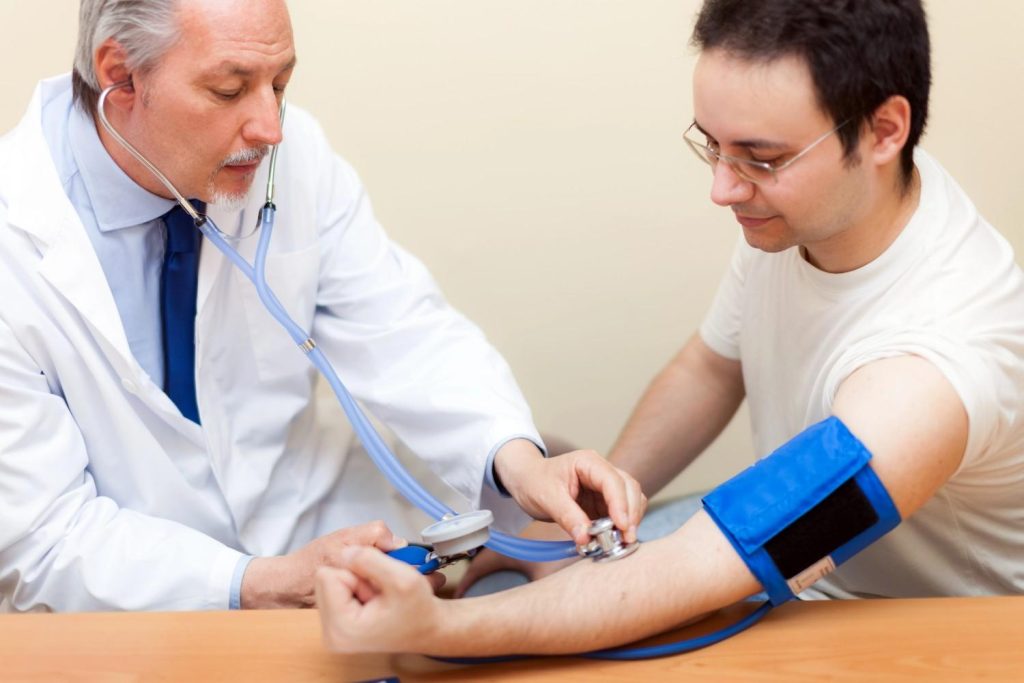
Blood pressure checks carry major weight. High readings may suggest chronic hypertension, stress overload, or underlying cardiovascular issues. Even temporary spikes can influence certification decisions.
Neurological screening evaluates coordination, balance, and reflex speed. These tests may seem simple, but they reveal how well the nervous system supports real-time driving decisions.
Why Small Measurements Carry Big Weight
A slightly elevated blood pressure reading might seem harmless in daily life. In commercial driving, that same number can signal increased risk of stroke or sudden medical events.
Small vision changes may not affect reading a book, but they can affect reaction time at highway speeds. Examiners understand how these small differences scale under real driving conditions.
What a Federally Registered Examiner Notices That Others Overlook
This is where experience becomes powerful. A federally registered examiner does not rely only on machines or forms. Observation plays a major role.
Hidden Red Flags in Everyday Health
Examiners often notice signs that drivers do not mention. Slight swelling in the legs may point to circulation problems. Irregular breathing patterns may suggest respiratory strain. Even skin tone can provide clues about oxygen levels or hydration.
These details often go unnoticed in everyday life. A driver may feel “fine,” but the body tells another story. The examiner connects these signals into a broader health picture.
Fatigue Patterns and Lifestyle Clues
Fatigue does not always show up as tired words. It appears in posture, eye movement, and reaction speed.
A driver who pauses too long before answering questions may be dealing with sleep deprivation. Slower reflexes during simple movements can indicate overworked muscles or nervous system strain.
Houston’s long driving routes and traffic congestion contribute heavily to fatigue patterns. Examiners recognize these local lifestyle pressures during assessments.
Medication Use and Subtle Risk Signals
Some medications affect alertness, blood pressure, or reaction time. Even common prescriptions can influence driving safety.
Examiners evaluate how medications interact with the body. A driver taking multiple prescriptions may face compounded side effects that impact focus or coordination. This is not about restriction but about safety alignment.
Neighbourhood Influence on Driver Health in Mahatma Gandhi District
Health does not develop in isolation. The environment plays a major role in shaping physical condition and lifestyle habits.
How Environment Shapes Medical Outcomes
Drivers working in industrial areas or high-traffic zones often experience higher stress levels. Noise, air quality, and irregular schedules all affect cardiovascular health.
In Houston, neighborhoods vary widely. Some areas expose drivers to long commutes and heavy traffic congestion, which increases fatigue and stress markers seen during exams.
Urban Stress and Physical Readiness
Urban environments place constant demands on the body. Traffic delays, tight delivery schedules, and extended shifts affect sleep quality and blood pressure stability.
Examiners often see this reflected in elevated readings or inconsistent vitals. The body carries the weight of the environment even when the driver feels adjusted to it.
Food Access, Routine, and Driver Habits
Diet plays a silent role in DOT physical results. Fast food consumption, irregular meal times, and high sodium intake can lead to elevated blood pressure and weight gain.
In busy Houston neighborhoods, convenience often outweighs nutrition. Examiners understand how local lifestyle patterns influence driver health outcomes.
DOT Physicals for Less: Trusted Approach to Driver Health
Affordable Care Without Cutting Corners
DOT Physicals for Less provides structured examinations that meet federal requirements while keeping pricing accessible for commercial drivers. Affordability does not reduce quality. The focus remains on accuracy, compliance, and safety.
Drivers receive the same federally aligned evaluation required for certification, ensuring that no step is skipped or rushed.
What DOT Physicals for Less Focuses On
The clinic emphasizes clarity and efficiency. Drivers move through a streamlined process that covers all required DOT components without confusion or delays.
Services include:
- Complete DOT physical exams
- Blood pressure and vision testing
- Health history evaluation
- Certification guidance
The goal centers on helping drivers understand their health status clearly and confidently.
Local Trust and Community Care
Houston drivers rely on clinics that understand local working conditions. DOT Physicals for Less builds trust by combining federal standards with practical awareness of the challenges drivers face in the region.
Common Misunderstandings About DOT Exams
What Drivers Think vs What Actually Happens
Many drivers believe a DOT physical only checks basic vitals. In reality, it evaluates long-term safety risk factors that affect real-world driving performance.
The examiner also considers lifestyle patterns, medication effects, and environmental influences. This creates a much deeper evaluation than most expect.
Why “Passing” Is Not Just a Form
Certification is not automatic. It depends on whether the driver meets safety standards without posing risk to themselves or others.
A driver may feel healthy but still require follow-up or medical management before approval. The focus stays on safety, not speed.
How Examiner Observations Improve Road Safety
Preventing Medical Emergencies on the Road
Many serious driving incidents link back to untreated medical conditions. High blood pressure, uncontrolled diabetes, or sleep disorders can lead to sudden emergencies.
Early detection during DOT exams helps reduce these risks before they become dangerous.
Early Detection of Chronic Conditions
DOT physicals often reveal early signs of chronic illness. Drivers may discover issues they were not aware of, giving them time to seek treatment before complications develop.
This preventive approach protects both the driver and the public.

Preparing for a DOT Physical near Mahatma Gandhi District
What Drivers Should Bring
Drivers should arrive with:
- Valid identification
- List of medications
- Medical history records
- Vision or hearing aids if used
- Any relevant specialist reports
Preparation helps ensure accurate evaluation and smoother processing.
Habits That Improve Exam Results
Simple lifestyle choices before the exam can influence results. Proper sleep, hydration, and reduced caffeine intake help stabilize blood pressure and heart rate.
Avoiding heavy meals before the appointment can also support more accurate readings.
The Human Side of Federal Examinations
Conversations That Reveal More Than Charts
Examiners often learn more from conversation than from numbers alone. Work schedules, stress levels, and sleep habits give context to medical readings.
These conversations help shape a more complete understanding of driver health.
Building Trust Between Examiner and Driver
Trust allows drivers to share accurate information without hesitation. Honest communication leads to better evaluations and safer outcomes.
A strong examiner-driver relationship supports long-term health awareness.
DOT Physicals for Less Serving the Mahatma Gandhi District Community and Beyond in Houston
DOT Physicals for Less is dedicated to serving the diverse needs of the local community of Houston, including individuals residing in neighborhoods like Mahatma Gandhi District. With its convenient location near landmarks such as the Klein Early Head Start/Head Start and major intersections like Gulfton St & Westward St (coordinates: 29.716704099999987, -95.4938099), we offer FMCSA medical examiner Houston services.
Get FMCSA Medical Examiner Services at Mahatma Gandhi District Now
Navigate from Mahatma Gandhi District to DOT Physicals for Less Now
The Critical Role of Federally Registered Examiners in Houston’s Road Safety
A federally registered examiner does far more than check vitals. Every observation builds a complete safety profile that connects health, lifestyle, and environment.
In Houston’s demanding transportation environment, this role becomes critical. These professionals help prevent medical risks, support driver health, and improve road safety across the region. Each exam becomes a safeguard for both the driver and the public.
FAQs
1. What does a federally registered examiner check during a DOT physical?
They check vision, blood pressure, neurological function, medication use, and overall physical fitness based on FMCSA safety standards.
2. Why do Houston drivers need DOT physicals?
Houston has heavy commercial traffic, and DOT exams ensure drivers remain medically fit for long driving hours and demanding routes.
3. How long does a DOT physical take?
Most exams take about 30 to 45 minutes depending on health history and test results.
4. Can medical conditions affect DOT certification?
Yes. Conditions like uncontrolled hypertension or severe sleep disorders may require treatment before certification is approved.
5. Why choose DOT Physicals for Less in Houston?
The clinic offers affordable, federally compliant exams with efficient service and a focus on driver safety and local needs.