What Vision Requirements Apply To A DOT Physical
December 7, 2025
Passing a Department of Transportation (DOT) physical is a crucial step for anyone driving commercial vehicles. One of the most important components of this exam is vision. After all, how can you stay safe on the road if you can’t see clearly? A minor vision problem may not seem like a big deal until a split-second decision is needed behind the wheel.
This article will break down everything you need to know about the vision requirements for a DOT physical, common issues drivers face, and how to prepare for success.
Understanding DOT Physicals
A DOT physical is more than a routine check-up. It’s a standardized medical evaluation required by the U.S. Department of Transportation to ensure drivers are fit to operate commercial motor vehicles safely. The exam covers various aspects of health including blood pressure, heart function, hearing, and vision.
Vision often gets overlooked, but it’s arguably the most important component. After all, drivers rely on their eyes constantly—reading signs, monitoring traffic, checking mirrors, and scanning the road for potential hazards.
Purpose of a DOT Physical
The primary purpose of a DOT physical is to verify that drivers meet minimum health standards. Clear vision allows drivers to react faster, judge distances accurately, and recognize hazards before they become emergencies. Even a minor vision impairment can increase the risk of accidents, making compliance essential.
Who Needs a DOT Physical?
Any driver operating a commercial motor vehicle (CMV) that meets DOT standards must pass a physical. This includes:
- Long-haul truck drivers
- Local delivery drivers
- Bus operators
- Drivers transporting hazardous materials
If you’re planning to drive professionally, passing a DOT physical is non-negotiable.
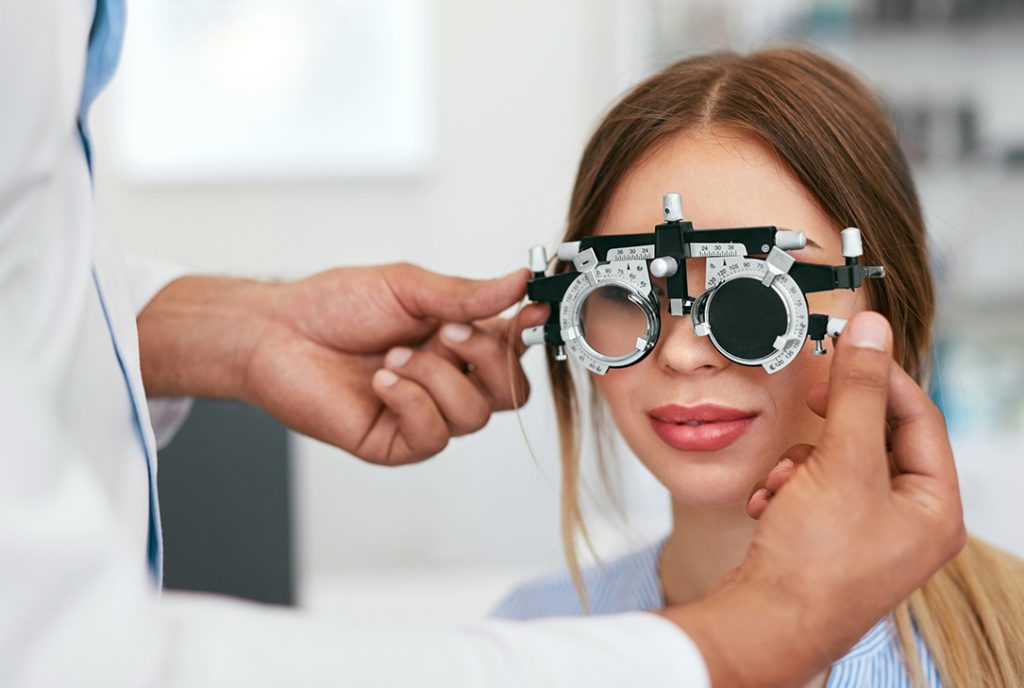
The Role of Vision in Commercial Driving
Vision isn’t just about reading road signs; it’s the foundation of safe driving. Drivers make countless split-second decisions based on what they see, so even small impairments can have significant consequences.
Why Vision Matters for Safety
Good vision allows drivers to:
- Detect obstacles or debris early
- Judge distances between vehicles
- Read road signs quickly
- Identify brake lights or turn signals from afar
Poor vision can delay reactions, making even simple maneuvers like lane changes risky.
Common Vision-Related Accidents
Statistics show that drivers with untreated vision problems are more likely to be involved in rear-end collisions, missed stoplights, and lane departure incidents. Even slightly blurry near or far vision can affect your ability to perform routine tasks safely.
DOT Vision Standards Explained
The DOT has strict guidelines for driver vision, covering visual acuity, field of vision, and color perception. Meeting these standards is crucial for passing the physical and maintaining commercial driving privileges.
Visual Acuity Requirements
Visual acuity refers to the clarity or sharpness of your vision. Drivers must meet minimum requirements for both far and near vision, with or without corrective lenses.
Far Vision Standards
For distant vision, drivers must achieve at least 20/40 in each eye individually or both eyes together. This ensures road signs, vehicles, and potential hazards are visible from a safe distance.
Imagine trying to read a highway exit sign from 500 feet away with blurry vision—it’s risky and could lead to mistakes. Far vision clarity helps you react quickly to traffic conditions.
Near Vision Standards
Near vision testing evaluates your ability to read instruments, documents, or labels at about 14 inches from your eyes. Drivers must reach 20/40 clarity, with corrective lenses allowed.
This is particularly important for reading gauges, paperwork, or delivery instructions, which are daily tasks for commercial drivers.
Field of Vision Requirements
Peripheral vision is the ability to see objects outside your direct line of sight. DOT standards require a minimum of 70 degrees horizontal vision in each eye. Missing parts of your field of vision can prevent you from noticing side traffic, pedestrians, or cyclists.
Color Vision Standards
Color vision allows drivers to distinguish traffic signals, brake lights, and warning signs. While minor color deficiencies don’t automatically disqualify a driver, they must demonstrate safe driving ability and differentiate key colors on the road.
Common Vision Issues Among Drivers
Many drivers have vision issues, but most are manageable. Understanding these conditions can help you prepare for your DOT exam.
Nearsightedness and Farsightedness
- Nearsightedness (myopia) makes distant objects appear blurry.
- Farsightedness (hyperopia) makes nearby objects harder to see.
Both can be corrected with prescription lenses, allowing drivers to meet DOT standards.
Astigmatism
Astigmatism is caused by irregular curvature of the cornea, resulting in blurred or distorted vision. Glasses or contacts typically correct it effectively.
Color Blindness and Its Impact
Severe color blindness can pose challenges, but many drivers with mild deficiencies pass the DOT vision test. Using alternative strategies, like relying on signal position rather than color, allows them to drive safely.
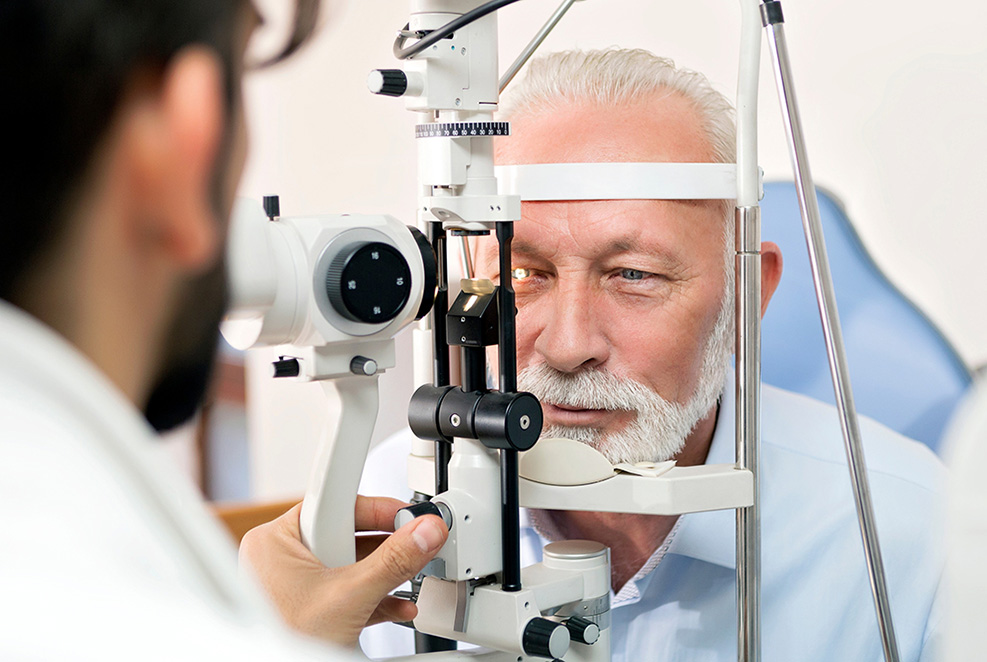
Corrective Measures for DOT Compliance
Achieving the required vision standards is usually straightforward. Most drivers simply need corrective lenses or medical interventions.
Glasses and Contact Lenses
Corrective lenses are accepted for both near and far vision. Drivers must bring them to the exam and demonstrate that their vision meets DOT requirements when wearing them.
Surgery and Medical Interventions
Procedures like LASIK can correct vision permanently. DOT allows drivers to qualify after surgery if their post-surgery vision meets the required standards. Always bring documentation to confirm the results.
How DOT Physicals for Less Can Help
DOT Physicals for Less specializes in affordable, professional DOT exams, including vision testing. They help drivers navigate requirements efficiently.
Efficient and Affordable Exams
Scheduling with DOT Physicals for Less saves both time and money. Their streamlined process ensures quick, accurate evaluations while covering every aspect of the vision exam.
Experienced Examiners and Guidance
Experienced examiners provide tips for passing the vision test, answer questions about corrective measures, and guide drivers on what steps to take if issues arise.
Preparing for Your DOT Vision Exam
Preparation increases the chances of passing on the first try.
What to Bring
Bring:
- Current glasses or contacts
- Medical history
- Previous vision correction records
Having everything organized speeds up the exam and reduces stress.
Tips to Ensure a Smooth Test
- Rest your eyes before the exam
- Avoid straining them with long hours of screen time
- Make sure your prescriptions are up-to-date
A clear, relaxed mind allows for more accurate results.
DOT Physicals for Less Serving the Shenandoah Community and Beyond in Houston
DOT Physicals for Less is dedicated to serving the diverse needs of the local community of Houston, including individuals residing in neighborhoods like Shenandoah. With its convenient location near landmarks such as the Benavidez Elementary School and major intersections like Elm St. & High Star Dr. (coordinates: 29.712207089193782, -95.48345532599654), we offer DOT certified medical examiner Houston services.
Get DOT Certified Medical Examiner Services at Shenandoah Now
Navigate from Shenandoah to DOT Physicals for Less Now
Common Myths About DOT Vision Requirements
“Perfect Vision Only” Myth
Many drivers worry they need 20/20 vision. That’s not true. Corrected vision meeting standards is perfectly acceptable.
“Color Blind Drivers Can’t Pass” Myth
Some drivers assume color blindness automatically disqualifies them. In reality, mild deficiencies often pass with proper testing and safe driving practices.
FAQs
1. Can I pass a DOT vision test with glasses?
Yes. Corrected vision with glasses or contact lenses is fully acceptable. Make sure to bring them to your exam.
2. What happens if I fail the DOT vision test?
You may be referred to an eye specialist. Once corrective measures are implemented, you can retake the exam.
3. How often do I need a DOT physical?
Typically, every 24 months, but frequency may vary based on age or health conditions.
4. Can LASIK surgery help me pass a DOT vision exam?
Yes, if your post-surgery vision meets the DOT standards. Bring documentation of your results.
5. Are peripheral vision tests part of the DOT exam?
Yes. Horizontal peripheral vision of at least 70 degrees per eye is required for all commercial drivers.