What Eye Test Is Used In A DOT Physical?
December 17, 2025
If you drive a commercial vehicle, you already know that DOT physicals are not just a formality, they’re a safety checkpoint for your career and everyone on the road. Among the many tests in a DOT physical, the eye exam is one of the most crucial. Your vision directly affects your ability to drive safely, spot hazards, and respond to sudden changes on the road.
In this guide, we’ll break down the eye tests used in DOT physicals, the standards you must meet, how to prepare, and how DOT Physicals for Less in Houston can make the process smooth and stress-free.
Understanding DOT Physicals
A DOT physical is a medical exam required by the Federal Motor Carrier Safety Administration (FMCSA) for anyone who drives commercial vehicles, including trucks, buses, and large vans. The purpose is straightforward: to make sure you are physically capable of safely operating a commercial vehicle.
DOT physicals cover a wide range of checks, including blood pressure, heart health, hearing, and, of course, vision. Even a small impairment in your eyesight could drastically increase the risk of accidents. That’s why the vision component is treated with such importance.
Why DOT Physicals Matter for Commercial Drivers
Driving a commercial vehicle is not like driving a regular car. The size, weight, and maneuverability of trucks or buses demand sharp reflexes and precise judgment. Vision plays a critical role in this.
You need to read signs from a distance, judge the speed of other vehicles, spot pedestrians or cyclists, and detect potential hazards in your peripheral vision. DOT physicals ensure drivers meet the federal safety standards necessary to protect themselves, passengers, and the public.
The Role of Vision in Driving Safety
Think of your eyes as your first line of defense while driving. If your vision is blurry, your reaction times are slower, and your ability to judge distances diminishes. Good distance vision allows you to read road signs from afar, while near vision helps you handle paperwork, maps, or screens in the cab.
Peripheral vision ensures you notice movement or hazards outside your direct line of sight, and color vision is vital for interpreting traffic lights and warning signs. Every aspect of vision is tested during a DOT physical to guarantee that drivers are road-ready.
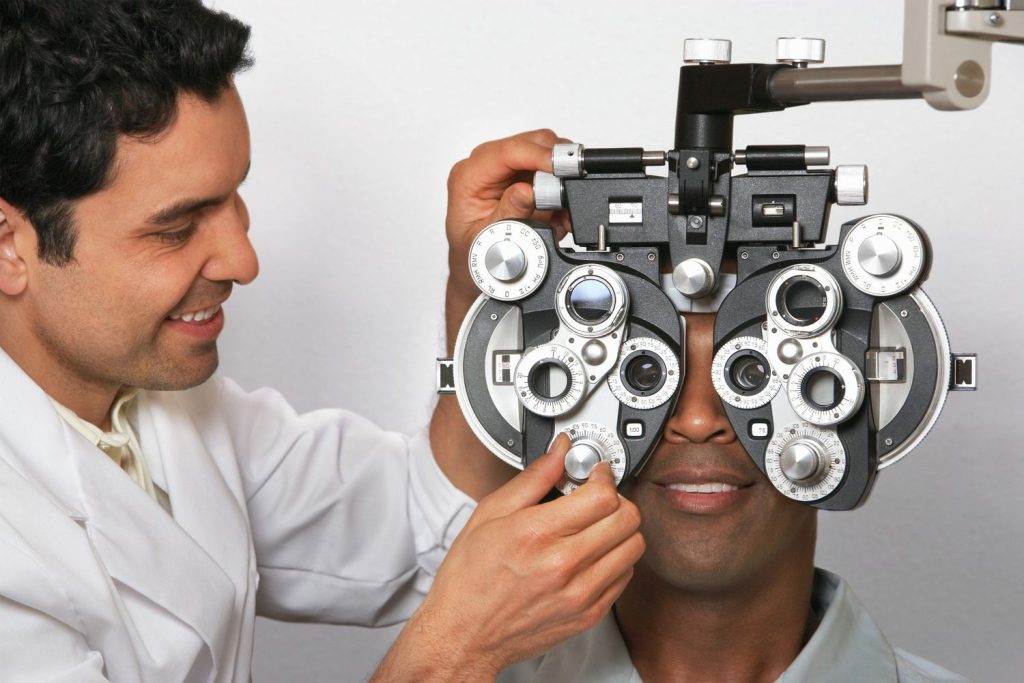
Overview of Vision Requirements for DOT Certification
The FMCSA sets clear vision standards that every commercial driver must meet. These standards are designed to make sure you can operate your vehicle safely and respond quickly to changes in traffic conditions.
Visual Acuity Standards
Visual acuity refers to the sharpness of your vision. The DOT requires specific standards for distance and near vision, which can be met naturally or with corrective lenses like glasses or contacts. Failing to meet these standards can prevent you from obtaining your DOT certification, making it essential to understand them fully before your exam.
Distance Vision Requirements
For distance vision, drivers must typically achieve at least 20/40 vision in each eye, with or without corrective lenses. This standard ensures that you can read road signs, spot hazards, and maintain situational awareness while driving a commercial vehicle.
If your natural vision does not meet this requirement, glasses or contact lenses can correct it, but you will need to wear them while driving and indicate this on your medical certification.
Near Vision Requirements
Near vision measures your ability to read documents, maps, or electronic displays within the cab. The DOT standard generally requires 20/40 vision at about 16 inches.
Corrective lenses are allowed here too, and failing to meet near vision standards can be just as problematic as failing the distance vision test, especially if your work involves handling paperwork or GPS systems.
Peripheral Vision Requirements
Peripheral vision, or side vision, is critical for detecting vehicles, pedestrians, and other hazards that are not directly in front of you. The DOT usually requires a horizontal field of vision of at least 70 degrees in each eye. Drivers with limited peripheral vision may face restrictions or be required to undergo further evaluation to determine if they can drive safely.
Color Vision Standards
Color vision is essential for distinguishing traffic lights, brake lights, and warning signals. The DOT requires drivers to accurately identify basic colors such as red, green, and amber. Color blindness does not automatically disqualify you, but it may limit the types of commercial driving tasks you can perform, and some carriers may impose additional restrictions.
Types of Eye Tests in a DOT Physical
DOT eye exams are designed to assess multiple aspects of your vision. Each test targets a specific skill necessary for safe driving. Understanding these tests will help you prepare and avoid surprises.
The Snellen Eye Chart Test
The Snellen chart is the most common eye test in DOT physicals. This test evaluates your distance visual acuity and determines if your vision meets federal standards.
How It Works
You stand about 20 feet away from the chart and read letters of decreasing size. Each eye is tested individually, and your results are recorded. If corrective lenses are needed to achieve the required vision, the examiner will note this on your medical certificate, making it mandatory for you to wear them while driving.
Common Challenges and Tips
Many drivers fail or struggle with the Snellen test due to squinting, poor lighting, or not wearing corrective lenses. To boost your chances of passing, schedule a routine eye exam before your DOT physical, bring your glasses or contacts, and practice reading a Snellen chart at home. Ensuring your eyes are well-rested and hydrated can also improve performance.
Peripheral Vision Test
The peripheral vision test measures your ability to detect objects outside your direct line of sight. During the test, you focus on a central point while objects or lights are presented in your side vision. Passing this test ensures you can monitor surrounding traffic, spot potential hazards, and react appropriately without turning your head constantly.
Color Vision Test
Color vision tests typically use Ishihara plates, which are dot patterns forming numbers or shapes in different colors. You identify these patterns to demonstrate your ability to distinguish colors essential for safe driving, like traffic lights and warning signs. Failing the color vision test may require additional evaluation but doesn’t always mean disqualification.
Depth Perception and Other Optional Tests
Some DOT examiners include tests for depth perception, contrast sensitivity, or glare recovery. These tests assess your ability to judge distances accurately, perceive details in low light, and adapt to changing light conditions. While not always mandatory, they can impact your certification if issues are detected.
Preparing for Your DOT Eye Exam
Proper preparation can prevent failures and ensure a smooth exam. Simple steps can save time, stress, and money.
Bringing Corrective Lenses
If you wear glasses or contact lenses, always bring them to your DOT physical. Corrective lenses are allowed, but your vision must meet the standard while wearing them. Not having them could result in failing the eye test and delaying your certification.
Eye Health Tips Before the Test
Avoid eye strain before the exam. Get plenty of rest, reduce screen time, and maintain good eye hygiene. A basic check-up with an optometrist can identify any issues before your DOT physical. Healthy eyes are more likely to meet the vision requirements and prevent last-minute surprises.
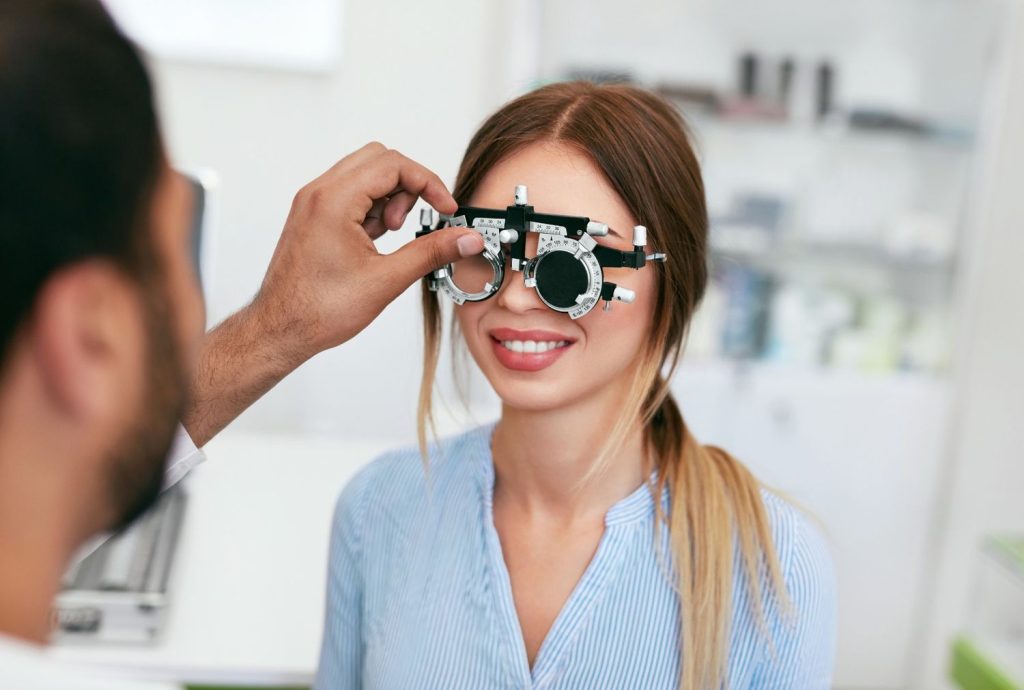
What Happens If You Fail the Eye Test?
Failing a DOT eye test doesn’t have to end your driving career. There are options and next steps to help you achieve certification.
Conditional Certification Options
In certain cases, drivers can receive a conditional or restricted medical certificate. For example, you may be required to wear corrective lenses at all times while driving. This ensures that you remain safe on the road without being disqualified outright.
Next Steps After Failing
If you fail the eye exam, a follow-up with an eye specialist or an updated prescription may be required. Once your vision meets the required standards, a re-examination can secure your DOT certification. Acting quickly and following medical advice is key to minimizing downtime and returning to work.
DOT Physicals for Less in Mahatma Gandhi District, Houston
DOT Physicals for Less makes the DOT eye exam process convenient, affordable, and stress-free in Houston. Their trained professionals handle all aspects of the exam, from vision checks to paperwork, ensuring drivers leave with the correct documentation.
Why Choose DOT Physicals for Less
This Houston-based service specializes in commercial driver exams. They offer flexible scheduling, quick appointments, and a friendly environment. Drivers can expect a thorough and professional exam without long waits or hidden fees.
Booking Your Eye Test and Physical in Houston
Booking is simple. You can schedule online or by phone, and walk-ins are often accepted. DOT Physicals for Less ensures that all federal requirements are met efficiently, helping drivers maintain compliance and keep their careers on track.
Common Misconceptions About DOT Eye Tests
Many drivers worry unnecessarily about vision standards. Let’s clear up some common myths.
Glasses vs Contacts Requirements
Both glasses and contacts are acceptable for meeting DOT standards. What matters is that your corrected vision meets the minimum requirements. There’s no penalty for choosing one over the other as long as it works for you.
Age and Vision Changes
Older drivers may notice changes in vision, but passing the exam depends on your current eyesight, not age. Regular check-ups help maintain eligibility and ensure you meet the standard over time.
DOT Physicals for Less Serving the Mahatma Gandhi District Community and Beyond in Houston
DOT Physicals for Less is dedicated to serving the diverse needs of the local community of Houston, including individuals residing in neighborhoods like Mahatma Gandhi District. With its convenient location near landmarks such as the Klein Early Head Start/Head Start and major intersections like Gulfton St & Westward St (coordinates:29.716704099999987, -95.4938099), we offer DOT physical Houston Tx services.
Get DOT Physical at Mahatma Gandhi District Now
Navigate from Mahatma Gandhi District to DOT Physicals for Less Now
Stay Road-Ready with Expert DOT Vision Testing
Passing the eye test in a DOT physical is essential for safety and compliance. Understanding the requirements, preparing in advance, and knowing what to expect will reduce stress and ensure a smooth process.
DOT Physicals for Less in Houston provides expert, convenient, and affordable services, making it easier for drivers to meet vision standards and stay on the road. Don’t risk your career or safety, schedule your DOT eye test today and take the first step toward certification.
FAQs
1. Can I fail a DOT eye exam if I wear contacts?
No. Contacts are fully acceptable as long as your corrected vision meets DOT standards. Always bring your lenses to the exam.
2. What is the minimum vision requirement for a commercial driver?
Distance vision must be at least 20/40 in each eye, and near vision 20/40 at 16 inches, with corrective lenses if necessary.
3. Do colorblind drivers fail DOT physicals?
Not automatically. Some restrictions may apply, depending on your ability to identify traffic lights and signals.
4. How often do I need a DOT eye test?
DOT physicals, including eye exams, are generally required every two years for most commercial drivers.
5. What if I need glasses after failing my DOT eye test?
Update your prescription and bring your corrective lenses to a follow-up exam. Once your vision meets standards, you can obtain certification.