What’s The Difference Between A Drug Test And A DOT Drug Test?
October 18, 2025
If you’ve ever filled out a job application and noticed the term “DOT drug test”, you might have paused and wondered: “How is that different from a regular drug test?”
At first glance, both seem similar — they detect drugs in the body. But when it comes to federal regulations, testing standards, and consequences, the differences are huge. Think of it like comparing a neighborhood watch to a full-blown federal investigation — both aim for safety, but one operates with far stricter rules.
In this guide, we’ll unpack what sets DOT drug tests apart, why they exist, and how to prepare for them. We’ll also spotlight DOT Physicals for Less, the go-to clinic in Gulfton offering certified, affordable, and fully compliant DOT testing for drivers and employers.
Understanding the Basics of Drug Testing
Drug testing is more than just a formality — it’s a safeguard. Whether it’s used for pre-employment screening or workplace compliance, the core idea is to ensure safety, reliability, and productivity.
But not all drug tests follow the same rules or serve the same purpose.
What Is a Standard Drug Test?
A standard drug test is a screening tool used by private employers, schools, or organizations to identify the presence of specific controlled substances in a person’s system.
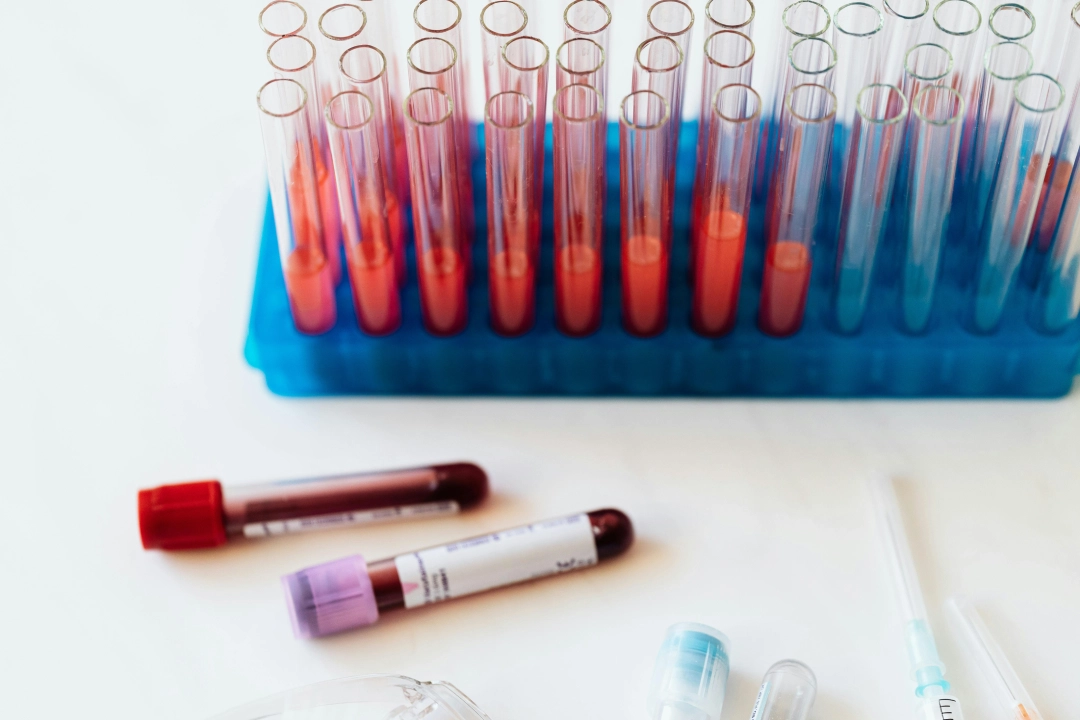
These tests can be done in several ways — through urine, blood, saliva, or hair samples. Urine testing remains the most common because it’s quick, affordable, and effective.
Employers often choose the 5-panel drug test, which checks for:
- Marijuana (THC)
- Cocaine
- Opiates (like heroin, morphine, codeine)
- Amphetamines (including methamphetamine)
- Phencyclidine (PCP)
Some employers, especially in high-risk industries like construction or healthcare, expand to 7-, 10-, or 12-panel tests to detect more substances like benzodiazepines or prescription opioids.
Unlike federal tests, standard drug testing is flexible. The employer decides:
- What substances to test for
- How often testing happens
- Whether results are sent to HR, insurance, or local authorities
In short, it’s customized to company policy, not federal law.
What Is a DOT Drug Test?
A DOT drug test is on a completely different level. It’s not just a routine check — it’s a federally mandated test for safety-sensitive employees under the U.S. Department of Transportation (DOT).
This includes anyone whose job affects public safety — think truck drivers, pilots, train operators, pipeline workers, and transit employees.
DOT drug tests follow strict federal procedures set out in 49 CFR Part 40. There’s no room for employer discretion. Every test must be conducted using:
- Urine samples only (no hair or saliva tests)
- Certified labs (SAMHSA-accredited)
- A Medical Review Officer (MRO) to verify results
Imagine it like comparing a local store policy to a national law — DOT testing isn’t optional, and every detail is carefully standardized for fairness and safety.
Why the DOT Drug Test Exists
Federal Regulations and Safety Standards
The DOT introduced mandatory drug testing in response to public safety concerns — particularly in the transportation industry.
Operating a commercial vehicle or aircraft isn’t just a job; it’s a public trust. A single mistake due to drug impairment could cost lives. That’s why agencies under the DOT — such as the FMCSA, FAA, FRA, and PHMSA — enforce strict drug and alcohol testing protocols.
These rules aren’t meant to punish; they’re designed to prevent accidents before they happen. DOT testing ensures that every driver, pilot, or operator entrusted with public safety is alert, capable, and drug-free.
Who Is Required to Take a DOT Drug Test?
DOT drug tests are mandatory for individuals performing safety-sensitive functions, such as:
- Commercial truck and bus drivers (regulated by the FMCSA)
- Pilots, flight attendants, and aircraft mechanics (under the FAA)
- Train engineers and conductors (regulated by the FRA)
- Pipeline operators and inspectors (under PHMSA)
- Maritime crew members (covered by the USCG)
In other words, if your work can directly impact public safety — whether you’re transporting goods across Texas highways or passengers in the air — you’re required to take and pass a DOT drug test.
Key Differences Between a Drug Test and a DOT Drug Test
It’s easy to assume these tests are identical since both detect drugs, but the truth is, they differ in several major ways.
1. Purpose and Legal Oversight
A standard drug test is usually about company policy — employers want to maintain a safe and productive work environment.
A DOT drug test, however, is about federal compliance. It’s legally required under the U.S. Department of Transportation, meaning it’s not optional. Non-compliance can lead to hefty fines, license suspension, and even business shutdowns.
2. Type of Testing Panels Used
Regular employers can customize their drug panels. DOT employers cannot. The DOT uses a fixed 5-panel test covering:
- Marijuana metabolites (THC)
- Cocaine metabolites
- Amphetamines (including methamphetamine, MDMA)
- Opiates (including heroin, morphine, and codeine)
- PCP (Phencyclidine)
While a private employer might test for a dozen drugs, the DOT keeps its list tight, focusing on substances most likely to impair motor skills and judgment.
3. Collection Procedures and Chain of Custody
Here’s where the DOT shines in terms of accountability.
Every DOT drug test follows a strict chain-of-custody process — a documented trail from collection to analysis that ensures the sample hasn’t been tampered with or swapped.
Collectors must seal the sample in front of you, label it, and sign documentation. Even the temperature of your sample is checked immediately to prevent cheating.
4. Testing Frequency and Triggers
DOT employees can be tested at multiple points:
- Pre-employment – before starting any safety-sensitive duties.
- Random testing – unannounced, to maintain ongoing compliance.
- Post-accident – after serious incidents or violations.
- Reasonable suspicion – if a supervisor believes you’re impaired.
- Return-to-duty and follow-up – for anyone who previously failed or refused a test.
Standard drug tests may happen only once — or not at all — depending on company policy.
5. Consequences of Failing Each Test
Fail a private drug test? You might lose a job offer.
Fail a DOT drug test? You lose your right to perform safety-sensitive duties — immediately.
Your violation is reported to the DOT Drug and Alcohol Clearinghouse, and you must complete a Return-to-Duty (RTD) process overseen by a Substance Abuse Professional (SAP) before you can work again.
DOT Physicals for Less – Trusted DOT Testing in Gulfton
When it comes to DOT testing in Gulfton, no one does it better than DOT Physicals for Less.
Our clinic is built around one mission — to make federally compliant testing affordable, fast, and stress-free for commercial drivers and employers.
Why Choose DOT Physicals for Less?
- FMCSA-certified examiners who know the DOT rules inside and out
- Fast, walk-in service so you can test without losing valuable work time
- Accurate, confidential, and federally compliant testing
- Affordable pricing that keeps you DOT-compliant without breaking the bank
Whether you’re an individual CDL driver or a fleet owner managing multiple employees, DOT Physicals for Less in Gulfton ensures smooth, reliable, and compliant testing every time.
Affordable, Accurate, and Certified DOT Drug Testing
Unlike general clinics that offer “any” drug test, our facility specializes in DOT-specific requirements — from chain-of-custody protocols to MRO review.
That means your results hold up to federal scrutiny if ever audited.
Accuracy isn’t optional — it’s our reputation.
Convenient Location and Walk-In Availability
Located conveniently in Gulfton, our clinic welcomes walk-ins and same-day appointments. Whether you’re due for random testing or pre-employment screening, we make compliance easy and quick so you can get back on the road.
Substances Tested in DOT vs. Non-DOT Drug Tests
Common Substances in Standard Drug Tests
Employers often customize panels to match workplace risks. For instance, a hospital might test for benzodiazepines or barbiturates, while a factory may focus on stimulants or opioids.
A standard 10-panel test might include:
- Marijuana
- Cocaine
- Opiates
- Amphetamines
- PCP
- Benzodiazepines
- Barbiturates
- Methadone
- Propoxyphene
- Quaaludes
The flexibility allows employers to address issues specific to their industry.
Substances in DOT-Regulated Testing Panels
DOT’s 5-panel test might sound minimal, but it’s laser-focused on substances that have the highest risk of causing impairment behind the wheel or in safety-critical roles.
For example, marijuana and cocaine are obvious risks, but amphetamines and opiates also slow reaction times and cloud judgment. PCP, though less common, is extremely dangerous and always included.
Step-by-Step: What to Expect During a DOT Drug Test
Knowing what to expect can make the process smoother — and less nerve-wracking.
Step 1: Identification and Consent
You’ll start by showing a government-issued ID and signing a consent form acknowledging your understanding of the test. The collector will explain the process to ensure transparency.
Step 2: Collection Process
You’ll be escorted to a private, secure restroom. The collector will follow strict DOT chain-of-custody rules — sealing your sample immediately, checking temperature, and documenting the collection.
Every step is recorded to eliminate tampering or substitution.
Step 3: Laboratory Testing and MRO Review
Your sample goes to a SAMHSA-certified lab, where it’s analyzed under controlled conditions.
If anything tests positive, a Medical Review Officer (MRO) will contact you to confirm if there’s a legitimate medical reason (like a prescription).
Step 4: Receiving Your Results
Results usually return in 2–3 business days. Employers receive a pass/fail report — not the specific drug data — ensuring privacy while maintaining compliance.
The Importance of Compliance for Employers and Drivers
Employer Responsibilities
Employers in DOT-regulated industries must:
- Maintain a random testing pool
- Conduct pre-employment, post-accident, and follow-up testing
- Keep detailed records of all results
- Report violations to the DOT Clearinghouse
Failure to comply can result in massive fines and potential shutdowns.
Driver Responsibilities
Drivers, too, play a vital role. You’re expected to:
- Stay drug- and alcohol-free
- Participate in all required testing
- Complete RTD programs if necessary
Compliance protects not only your job but also your commercial driver’s license (CDL) and future career.
How to Prepare for a DOT Drug Test
What to Do Before the Test
- Bring proper ID and paperwork from your employer.
- Stay hydrated, but avoid excessive water intake.
- List all prescription medications — especially those that could trigger false positives (like Adderall or painkillers).
What to Avoid Before the Test
- Don’t use detox products. Labs can detect masking agents easily.
- Avoid unverified supplements that may contain THC or banned substances.
- Don’t rely on secondhand smoke excuses. THC metabolites are still traceable.
Preparation is about honesty and awareness, not tricks.
Common Myths About DOT Drug Tests
“It’s the Same as a Regular Drug Test.”
Nope! DOT drug tests are legally binding, federally regulated, and follow a standardized protocol that private employers simply don’t have to meet.
“You Can Beat a DOT Drug Test.”
Trying to cheat a DOT test is like trying to outsmart airport security. Labs test for adulteration, dilution, and even synthetic urine. The penalties for tampering are severe and career-ending.
“Over-the-Counter Medications Don’t Matter.”
False. Even medications like pseudoephedrine or sleep aids can trigger results that need explanation. Always disclose any medication to your MRO — honesty can save your job.
What Happens If You Fail a DOT Drug Test?
Immediate Consequences
You’ll be immediately removed from any safety-sensitive duties, and the result will be recorded in the FMCSA Clearinghouse. Employers are prohibited from rehiring or using you in safety roles until you complete the RTD process.
Return-to-Duty Process
You’ll meet with a Substance Abuse Professional (SAP) who designs a treatment or education plan. After completion, you’ll need to pass a Return-to-Duty test and undergo unannounced follow-up tests for up to 12 months.
Benefits of Regular Drug Testing in the Workplace
Promoting Safety and Productivity
Drug testing reduces absenteeism, accidents, and liability. In the transportation industry, it can mean the difference between a safe delivery and a tragic crash.
It also fosters a culture of accountability — employees know safety isn’t just a policy, it’s a priority.
Protecting Company Reputation
Employers that enforce regular testing send a strong message: We care about safety and responsibility. This builds trust with clients, regulators, and the public — something no marketing campaign can buy.
DOT Physicals for Less Serving the Gulfton Community and Beyond in Houston
DOT Physicals for Less is dedicated to serving the diverse needs of the local community of Houston, including individuals residing in neighborhoods like Gulfton. With its convenient location near landmarks such as the Burnett Bayland Park and major intersections like Gulfton St. and Westward St. (coordinates: 29.716704099999987, -95.4938099), we offer DOT drug test Houston services.
Get DOT Drug Test at Gulfton Now
Navigate from Gulfton to DOT Physicals for Less Now
Conclusion
What’s the real difference between a drug test and a DOT drug test?
It all comes down to regulation, responsibility, and public safety. Regular tests are flexible and employer-driven. DOT tests are federal, standardized, and designed to protect lives on the road, in the air, and across the nation’s transport networks.
If you’re in Gulfton and need a reliable, certified DOT drug test, DOT Physicals for Less is your best bet. They combine federal compliance with local convenience, ensuring every test meets the highest accuracy standards — without the high price tag.
Whether you’re a driver starting a new job, an employer ensuring compliance, or simply staying proactive, one thing’s certain: safety starts with accountability.
FAQs
1. What does DOT stand for in DOT drug test?
DOT stands for the Department of Transportation, which oversees all drug and alcohol testing for safety-sensitive transportation employees.
2. Can I use a saliva test for a DOT drug test?
Not yet. The DOT currently mandates urine-only tests, though saliva testing may be introduced in the future once implementation guidelines are finalized.
3. How often do DOT employees get tested?
DOT-regulated employees undergo pre-employment, random, post-accident, reasonable suspicion, and return-to-duty testing throughout their careers.
4. How long does a DOT drug test take?
Collection takes about 15–30 minutes, and most results return within 2–3 business days, depending on lab processing.
5. Where can I take a DOT drug test near Gulfton?
Visit DOT Physicals for Less near Gulfton — your trusted local clinic for fast, accurate, and FMCSA-certified DOT drug testing.