What Vision Is Required For A CDL Physical
March 15, 2026
If you’re planning to drive a commercial vehicle, your vision isn’t just important, it’s critical. A CDL (Commercial Driver’s License) physical ensures you meet all the federal vision standards necessary for safe driving. In Houston, DOT Physicals for Less specializes in CDL exams, making sure drivers know what to expect and how to meet the requirements.
This guide breaks down everything about vision requirements for CDL physicals, the testing process, and tips to maintain healthy eyesight.
Understanding CDL Physicals
Why Vision Matters for CDL Drivers
Driving a commercial vehicle is a different ballgame than driving a personal car. Large trucks and buses require extra attention, long-range focus, and quick reactions. Poor vision increases the risk of accidents, not just for you, but for everyone on the road.
During a CDL physical, vision is a major focus because federal law prioritizes safety above all. The exam evaluates whether your eyes can handle the responsibilities of steering massive vehicles through busy highways, tight streets, and complex traffic situations.
Overview of the DOT Physical Exam
The DOT physical exam is more than just an eye test. It’s a comprehensive checkup covering your cardiovascular health, musculoskeletal fitness, hearing, and more.
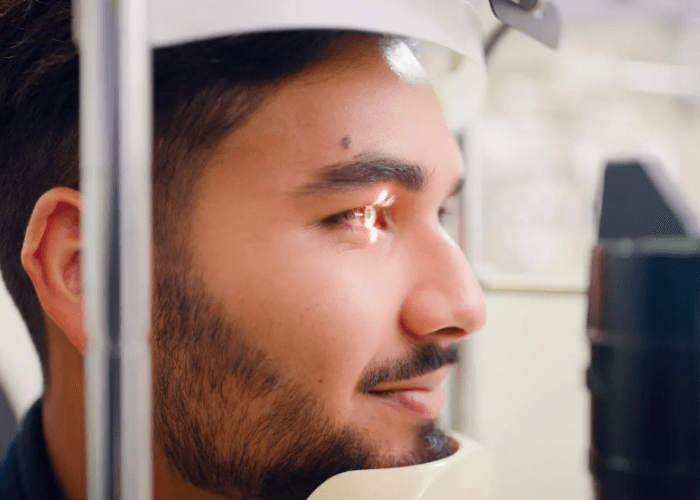
Vision testing is a key component. During the exam, you’ll be asked to read eye charts, undergo peripheral vision testing, and sometimes complete a color vision test. Passing ensures you’re capable of driving safely under federal regulations.

Vision Requirements for CDL Drivers
Visual Acuity Standards
The DOT has clear standards for what counts as acceptable vision for CDL drivers. Visual acuity tests measure the sharpness of your eyesight, both at a distance and up close.
Distant Vision
For safe highway and urban driving, your distant vision must generally be 20/40 or better in each eye, with or without corrective lenses. This ensures you can see traffic signs, obstacles, pedestrians, and other vehicles clearly. Even minor vision problems can make it difficult to judge distances accurately, which is why the standard is strict.
Near Vision
Near vision is tested at a distance of 16 inches. This standard, typically 20/40 or better in each eye, ensures drivers can read dashboard gauges, maps, or digital displays inside their vehicles. Corrective lenses are allowed to meet these standards, and many drivers rely on them to pass the exam.
Field of Vision Standards
Peripheral vision plays a major role in safe driving. The DOT requires a horizontal field of vision of at least 70 degrees in each eye. Wide peripheral vision allows drivers to detect movement or potential hazards on the sides without needing to turn their heads constantly. A limited field of vision can be dangerous, especially when merging lanes, changing directions, or monitoring blind spots.
Color Vision Requirements
Color vision testing ensures you can accurately recognize traffic lights, warning signs, and hazard signals. Most exams use color plates with embedded numbers or shapes to test for color blindness. Drivers with moderate color deficiencies may still qualify for a CDL but could receive certain restrictions or endorsements based on their level of deficiency.
Depth Perception Considerations
Depth perception is your ability to judge distances between objects. Although the DOT does not have a strict numeric requirement, examiners consider depth perception crucial for safe truck operation. Poor depth perception can increase risks when parking, merging, or navigating tight spaces. If your vision exam raises concerns, the examiner may assess your depth perception more closely.
Medical Conditions That May Affect Vision
Common Eye Disorders
Many drivers have correctable vision problems like nearsightedness, farsightedness, or astigmatism. Without proper correction, these conditions could lead to failing the CDL vision test. Early detection and treatment are vital to ensure you meet DOT standards.
Glaucoma and Cataracts
Chronic eye conditions, such as glaucoma or cataracts, may affect clarity and peripheral vision. Regular checkups, eye drops, or surgery can help manage these conditions. Staying proactive can prevent these issues from interfering with your CDL eligibility.
Diabetes-Related Vision Issues
Diabetic retinopathy is a complication that can cause blurry vision or sudden vision loss. Managing blood sugar, attending eye exams, and following medical advice are essential steps to maintain eligibility. Drivers with diabetes must stay vigilant about eye health to pass the CDL physical.
How to Prepare Your Eyes for a CDL Physical
Scheduling an Eye Exam
Plan a comprehensive eye exam before your CDL physical. This allows time to address issues like prescription updates, minor eye conditions, or other vision concerns. Catching problems early ensures your eyes meet DOT standards on exam day.
Corrective Lenses and CDL Eligibility
Corrective lenses, whether glasses or contacts, are fully acceptable for CDL physicals. If your vision requires correction to meet standards, make sure your lenses are up-to-date, and bring your prescription to the exam. Your CDL may include a restriction specifying that you must wear corrective lenses while driving.
Tips for Healthy Eyesight
Healthy eyes increase your chances of passing your CDL exam. Eat nutrient-rich foods like leafy greens, carrots, and fish. Reduce screen time before the exam, stay hydrated, and get enough sleep to prevent temporary blurry vision or fatigue. Avoid smoking and limit exposure to harsh sunlight by wearing sunglasses when outdoors.
DOT Physicals for Less: Larchmont’s Trusted CDL Physical Provider
Services Offered
DOT Physicals for Less provides full-service CDL physicals in Houston. This includes vision screenings, hearing tests, overall health assessments, and DOT certification. Their team understands federal requirements and works to make the process smooth and stress-free.
What to Expect During Your Visit
Expect a professional, friendly, and organized process. Staff will guide you through each component of the physical, explain results clearly, and answer questions about vision or other health standards. They use certified equipment for accurate vision testing, ensuring you know where you stand before your CDL application.
Scheduling Your Exam
Booking is simple and convenient. Appointments can be made online or by phone, and early scheduling ensures you get the time and date that works best. Peak seasons can fill quickly, so plan ahead to avoid delays.
Vision Test Process During the CDL Physical
Step-by-Step Vision Screening
- Distance Vision Test – Read letters on a chart at 20 feet to test clarity.
- Near Vision Test – Read text or numbers at 16 inches.
- Peripheral Vision Test – Detect objects in your side vision without turning your head.
- Color Vision Test – Identify shapes or numbers on color plates.
- Optional Depth Perception Test – Conducted if prior results suggest difficulty judging distances.
Understanding Your Results
Passing means your vision meets federal standards, sometimes with corrective lenses noted as a restriction. Failing requires follow-up, corrective measures, or treatment before retesting. Accurate records and prescriptions will help during any retest.
Consequences of Failing the Vision Test
Temporary vs Permanent Disqualifications
Failing the vision test can result in temporary or permanent disqualification from obtaining a CDL. Temporary disqualification can be resolved with corrective lenses, surgery, or medical treatment. Permanent disqualification occurs only in severe cases where correction isn’t possible.
Retesting and Corrective Measures
If you fail, you can retake the exam after obtaining corrective measures. Bring all documentation about prescriptions, surgery, or treatment to ensure examiners have a complete picture of your vision health.
Tips to Maintain CDL Vision Standards
Regular Eye Exams
Schedule yearly eye exams to catch changes early. Early detection of eye problems prevents complications and ensures you maintain eligibility for your CDL.
Lifestyle Habits That Support Vision
Eat a balanced diet rich in eye-friendly nutrients, exercise regularly, and avoid smoking. Limit screen time, wear protective eyewear in bright sunlight, and rest your eyes to prevent strain. Hydration also plays a role in maintaining clear vision.
DOT Physicals for Less Serving the Larchmont Community and Beyond in Houston
DOT Physicals for Less is dedicated to serving the diverse needs of the local community of Houston, including individuals residing in neighborhoods like Larchmont. With its convenient location near landmarks such as Anderson Park and major intersections like E Park At Beverly Hills & Beverly Hills St (coordinates: 29.73019301718039, -95.47827525529857), we offer CDL physical Houston services.
Get CDL Physical at Larchmont Now
Navigate from Larchmont to DOT Physicals for Less Now
Vision: The Key to a Safe and Successful CDL Career
Your vision is central to safe commercial driving. Understanding the standards, preparing in advance, and maintaining healthy eyesight are essential for passing your CDL physical.
In Houston, DOT Physicals for Less provides professional, thorough, and friendly services that guide drivers through every step of the process. Passing your CDL vision test is more than just a requirement, it’s a step toward safer driving and a successful commercial driving career.
FAQs
- What is the minimum vision requirement for a CDL?
Drivers must have 20/40 or better vision in each eye, with or without corrective lenses. - Can I wear contacts or glasses for my CDL vision test?
Yes, corrective lenses are fully accepted if they bring your vision to standard. - Does the CDL exam test peripheral vision?
Yes, you need a horizontal field of vision of at least 70 degrees in each eye. - What if I fail the color vision test?
Depending on severity, you may need a restriction or endorsement, or in some cases, a retest. - How often must CDL drivers take a DOT physical?
Typically, every two years, though some drivers may need more frequent exams based on health.