Can You Pass A CDL Medical Exam With Sleep Apnea
March 6, 2026
Getting a Commercial Driver’s License (CDL) is more than just passing a driving test—it’s about proving you are physically and mentally fit to operate heavy vehicles safely. For many drivers, sleep apnea is a concern that comes up during the CDL medical exam.
If you’ve been diagnosed with sleep apnea, you might wonder if this will automatically disqualify you from driving commercially. The short answer: no, but you need proper treatment, documentation, and compliance.
In this article, we’ll walk you through everything you need to know to navigate the CDL medical exam with sleep apnea and get back on the road confidently.
Understanding the CDL Medical Exam
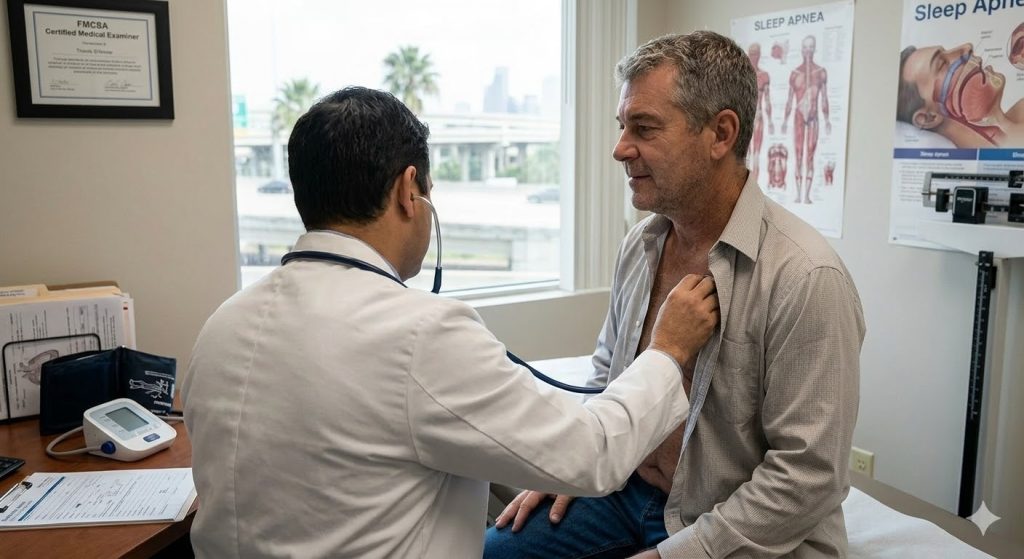
The CDL medical exam is a standard requirement for all commercial drivers. Its purpose is simple: ensure that anyone behind the wheel of a truck, bus, or other commercial vehicle is safe, alert, and capable of handling the physical demands of the job.
Purpose of the CDL Medical Exam
The main goal is safety. The exam checks your vision, hearing, cardiovascular health, blood pressure, and overall physical condition. Sleep disorders like sleep apnea are included because untreated conditions can lead to fatigue, drowsiness, or even accidents. By identifying potential risks early, the exam helps keep you and everyone on the road safe.
Key Requirements for Drivers
To pass the exam, drivers need:
- Adequate vision (with or without corrective lenses)
- Normal hearing
- Stable blood pressure
- Healthy cardiovascular system
- No medical conditions that could suddenly incapacitate you while driving
Sleep apnea is taken seriously because it affects alertness. However, managed sleep apnea with proper documentation and compliance often allows drivers to pass without issue.
What is Sleep Apnea?
Sleep apnea is a sleep disorder where your breathing repeatedly stops and starts during sleep. This can leave you feeling exhausted even after a full night’s rest. For commercial drivers, this is especially concerning, because fatigue can affect reaction time, judgment, and overall safety.
Types of Sleep Apnea
- Obstructive Sleep Apnea (OSA) – The most common type. It occurs when the airway collapses or becomes blocked during sleep.
- Central Sleep Apnea (CSA) – This is rarer and occurs when the brain fails to send proper signals to control breathing.
- Complex or Mixed Sleep Apnea – A combination of OSA and CSA, which can be more complicated to treat.
Symptoms That Affect Driving
Common sleep apnea symptoms that can impact your CDL exam and driving include:
- Excessive daytime sleepiness
- Morning headaches
- Loud snoring
- Difficulty concentrating
- Irritability or mood swings
- Observed pauses in breathing during sleep
Even mild sleep apnea can be concerning if untreated, so examiners take these symptoms seriously.
How Sleep Apnea Impacts CDL Eligibility
Sleep apnea doesn’t automatically mean “no CDL.” But untreated or poorly managed sleep apnea can be a major disqualifier due to safety concerns.
Risks to Safety on the Road
Fatigue caused by sleep apnea can slow reaction times and reduce concentration. For drivers operating vehicles weighing tens of thousands of pounds, even a brief lapse in alertness can be catastrophic. This is why examiners review your sleep apnea management carefully.
Medical Disqualifications Explained
Drivers with severe, untreated sleep apnea may be temporarily disqualified until treatment is documented. Medical examiners want proof that you are managing your condition effectively. Many drivers regain eligibility once they provide treatment evidence and show compliance.
Diagnosing Sleep Apnea for CDL Drivers
Proper diagnosis is crucial for CDL clearance. Examining physicians rely on objective evidence to make informed decisions.
Sleep Studies and Testing Options
The most reliable method is a polysomnography, a sleep study conducted in a clinic or hospital. This test monitors breathing patterns, oxygen levels, heart rate, and sleep stages. It provides a clear picture of your condition and severity.
Home Sleep Apnea Tests vs Clinical Tests
Home sleep tests are convenient and often covered by insurance. They measure airflow, oxygen levels, and breathing patterns while you sleep at home. While home tests are generally accepted for mild cases, examiners often prefer lab-based studies for accurate documentation, especially for drivers with borderline results or more severe symptoms.
Treatment Options That Can Help Pass the CDL Exam
Managing sleep apnea effectively is the key to passing the CDL medical exam.
CPAP Therapy and Its Importance
Continuous Positive Airway Pressure (CPAP) is the gold standard treatment for obstructive sleep apnea. The CPAP machine keeps your airway open while you sleep, preventing breathing interruptions. Regular use improves alertness, reduces daytime sleepiness, and significantly lowers risk of accidents. CDL examiners look for documented CPAP compliance when granting clearance.
Lifestyle Changes and Medical Management
Along with CPAP, lifestyle modifications can improve sleep apnea control:
- Maintaining a healthy weight
- Avoiding alcohol and sedatives before sleep
- Sleeping on your side instead of your back
- Using dental devices or undergoing surgery in certain cases
Documented compliance with both medical and lifestyle interventions strengthens your case during the exam.
DOT Guidelines on Sleep Apnea for Commercial Drivers
The Federal Motor Carrier Safety Administration (FMCSA) provides clear guidance for drivers with sleep apnea.
FMCSA Recommendations
FMCSA emphasizes the importance of diagnosis, effective treatment, and proper documentation. Drivers using CPAP therapy must show consistent usage. Compliance reports from CPAP machines often serve as proof, demonstrating that the driver is fit to operate commercial vehicles.
Documentation and Medical Reports Needed
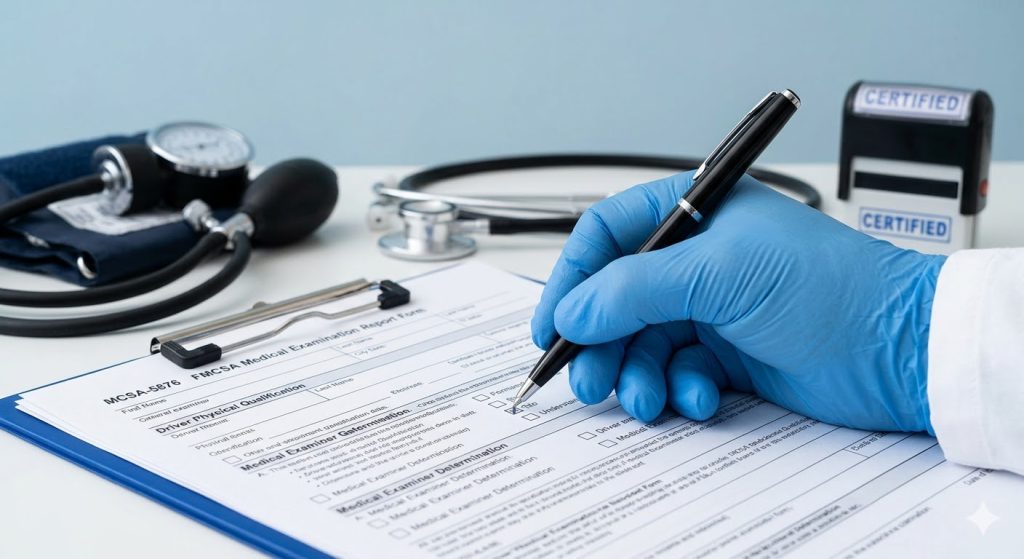
To improve your chances of passing the CDL medical exam, bring:
- Complete sleep study results
- CPAP prescription and usage reports
- Physician notes confirming ongoing treatment and improvements
Well-organized records make the process smoother and reassure examiners that your condition is managed responsibly.
Tips to Prepare for the CDL Medical Exam With Sleep Apnea
Preparation is key. Here are steps to increase your chances of passing:
Tracking Your Therapy Compliance
Use your CPAP machine’s tracking feature or keep a manual log. Many machines automatically record nightly usage hours, which can be printed as a report for your examiner. The more proof you have, the better.
Working With Your Physician
Communicate openly with your doctor about your CDL goals. Ask them to document treatment compliance, improvements in alertness, and any recommendations for ongoing management. A supportive physician can make a big difference during the evaluation.
How DOT Physicals for Less Can Help Gulfton Drivers
If you’re in Houston, DOT Physicals for Less provides expert assistance for CDL medical exams, including those with sleep apnea concerns. Their team understands FMCSA requirements and guides drivers through documentation, treatment compliance, and exam procedures.
Services Offered
- CDL Medical Exams
- Sleep Apnea Assessment Support
- CPAP Compliance Verification
- Physician Consultations for Documentation
Scheduling and Compliance Assistance
DOT Physicals for Less offers flexible appointments and step-by-step guidance. Staff help you organize your medical records and compliance reports, ensuring you meet FMCSA standards efficiently. With their support, passing the CDL medical exam becomes much more manageable.
Common Myths About CDL Exams and Sleep Apnea
Myth: Sleep Apnea Automatically Disqualifies You
A diagnosis alone doesn’t mean you can’t drive. With proper treatment and documentation, drivers with sleep apnea frequently receive clearance.
Myth: CPAP Use Doesn’t Affect CDL Clearance
Ignoring CPAP therapy reduces your chances of passing. Compliance shows examiners that your sleep apnea is under control, which is critical for safety and certification.
Real-Life Success Stories
Many Houston drivers have successfully passed their CDL medical exams despite sleep apnea. One trucker shared that after several weeks of consistent CPAP use and submitting compliance reports, the examiner cleared him without issue.
Drivers consistently report that preparation, proper documentation, and using DOT Physicals for Less as a guide were key factors in their success.
DOT Physicals for Less Serving the Gulfton Community and Beyond in Houston
DOT Physicals for Less is dedicated to serving the diverse needs of the local community of Houston, including individuals residing in neighborhoods like Gulfton. With its convenient location near landmarks such as the Klein Early Head Start/Head Start and major intersections like Gulfton St & Westward St (coordinates: 29.716704099999987, -95.4938099), we offer CDL medical card Houston services.
Get CDL Medical Card at Gulfton Now
Navigate from Gulfton to DOT Physicals for Less Now
Turning Sleep Apnea Into a Manageable Step Toward CDL Success
Sleep apnea doesn’t have to be a roadblock to your CDL dreams. Proper diagnosis, consistent treatment, lifestyle adjustments, and well-organized documentation can make all the difference.
Drivers in Houston can benefit from professional guidance at DOT Physicals for Less, ensuring compliance with FMCSA rules and maximizing the chance of passing the CDL medical exam. With the right approach, sleep apnea becomes a manageable condition rather than a disqualifying one.
FAQs
1. Can I take the CDL medical exam if I have untreated sleep apnea?
Untreated sleep apnea can lead to temporary disqualification. Most examiners require proof of a treatment plan or evidence that the condition is managed.
2. How long do I need to use CPAP before getting cleared?
Typically, a few weeks to several months of documented compliance is recommended. Your physician’s assessment of improvement is crucial.
3. Does sleep apnea severity affect CDL eligibility?
Yes. Severe, untreated sleep apnea is closely monitored, while mild cases with proper treatment are often cleared.
4. Can home sleep apnea tests be used for the CDL exam?
Home tests may be accepted for mild cases, but lab-based polysomnography is generally preferred for accurate documentation.
5. Will DOT Physicals for Less help with CPAP documentation?
Yes. We assist drivers in preparing compliance reports, physician notes, and sleep study results to maximize exam success.