What Is A CDL Medical Exam And Why Do Drivers Need It?
January 3, 2026
If you drive a commercial vehicle for a living, your health isn’t just personal—it’s professional. One medical issue can take you off the road, affect your income, and put safety at risk. That’s exactly why the CDL medical exam exists. It’s not meant to be a hassle. It’s meant to protect you, your career, and everyone sharing the road with you.
For drivers in St. George Place, getting a CDL medical exam at DOT Physicals for Less means fast service, clear guidance, and affordable pricing—without unnecessary stress. Whether you’re a first-time CDL holder or renewing your medical card, understanding this exam puts you in control.
So let’s talk about what a CDL medical exam really is, why it matters so much, and how it keeps professional drivers moving forward.
Understanding the CDL Medical Exam
At its simplest, a CDL medical exam is a health screening required for anyone operating a commercial motor vehicle. But there’s more to it than a quick checkup. This exam looks at how well your body and mind can handle the real-world demands of commercial driving—long hours, heavy vehicles, constant focus, and quick decision-making.
This isn’t about being “perfectly healthy.” It’s about being safe, stable, and capable.
What Does CDL Stand For?
CDL stands for Commercial Driver’s License. This license is required for drivers who operate vehicles such as:
- Large trucks
- Tractor-trailers
- Passenger buses
- Vehicles carrying hazardous materials
Because these vehicles can cause serious damage if something goes wrong, CDL holders are held to higher safety standards—including medical fitness.
What Is a DOT Physical?
A DOT physical is the medical exam required by federal law for CDL drivers. It must be performed by a certified medical examiner listed on the FMCSA National Registry. The goal is to confirm that a driver does not have a medical condition that could interfere with safe driving.
At DOT Physicals for Less, these exams are performed by trained professionals who understand the regulations and know how to evaluate drivers fairly and efficiently.
Why CDL Medical Exams Are Required
Some drivers wonder why this exam is mandatory or why it has to be repeated every few years. The answer is simple: commercial driving is demanding, and health issues don’t always announce themselves politely.
A CDL medical exam helps catch problems before they turn into emergencies.
Federal Safety Regulations Explained
The Federal Motor Carrier Safety Administration (FMCSA) requires CDL medical exams to ensure drivers meet national safety standards. These rules apply across the board, whether you drive locally or long distance.
The exam exists to answer one critical question:
Can this driver safely operate a commercial vehicle today and over time?
Protecting Drivers and the Public
Driving a commercial vehicle isn’t like driving a personal car. You’re handling more weight, more responsibility, and more risk. A sudden medical issue—like fainting, vision loss, or heart trouble—can have serious consequences.
The CDL medical exam protects:
- You as the driver
- Your employer
- Other drivers and pedestrians
It’s a safeguard, not a punishment.
The Role of the FMCSA
The FMCSA sets the medical standards and oversees compliance. Their mission is to reduce accidents, injuries, and fatalities involving commercial vehicles. Medical exams are one of the most effective tools they have to make that happen.
Who Needs a CDL Medical Exam?
If you hold a CDL—or are applying for one—you almost certainly need a medical exam.
Commercial Truck Drivers
Truck drivers, whether hauling freight short distances or across regions, must maintain a valid medical certificate. Without it, you legally cannot drive a commercial vehicle.
Bus and Passenger Vehicle Drivers
Drivers who transport passengers are held to especially strict standards. The health and safety of others are literally in your hands, which makes medical fitness essential.
Local and Regional Drivers
Even if you never travel far from St. George Place, the requirement still applies. Distance doesn’t reduce responsibility.
What Happens During a CDL Medical Exam?
Many drivers feel nervous before their exam simply because they don’t know what to expect. The truth? It’s straightforward, structured, and predictable.
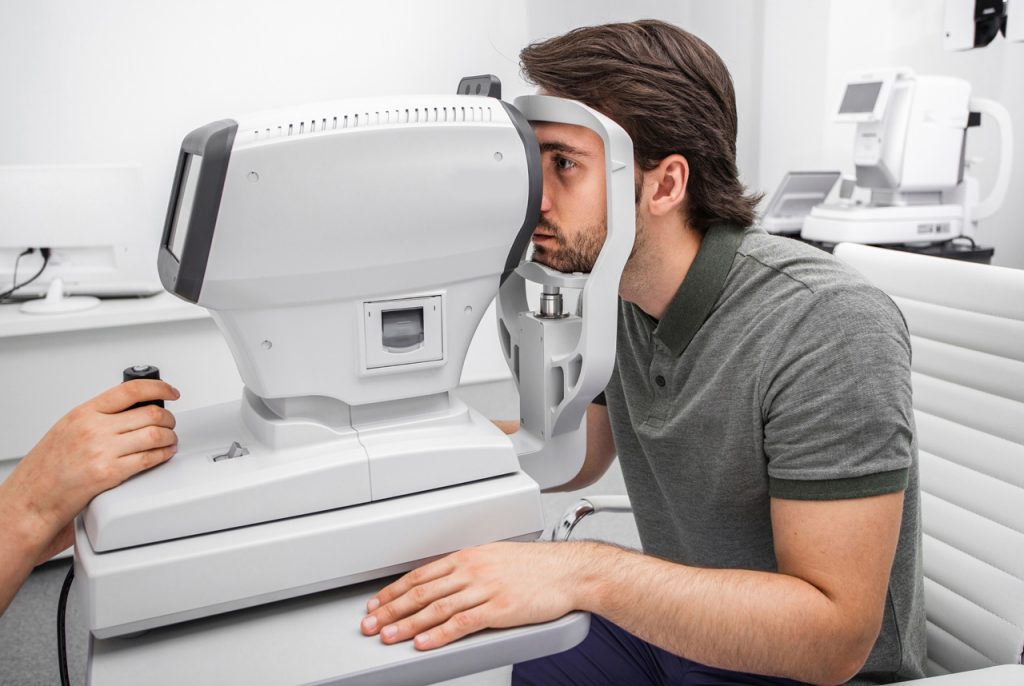
Vision and Hearing Tests
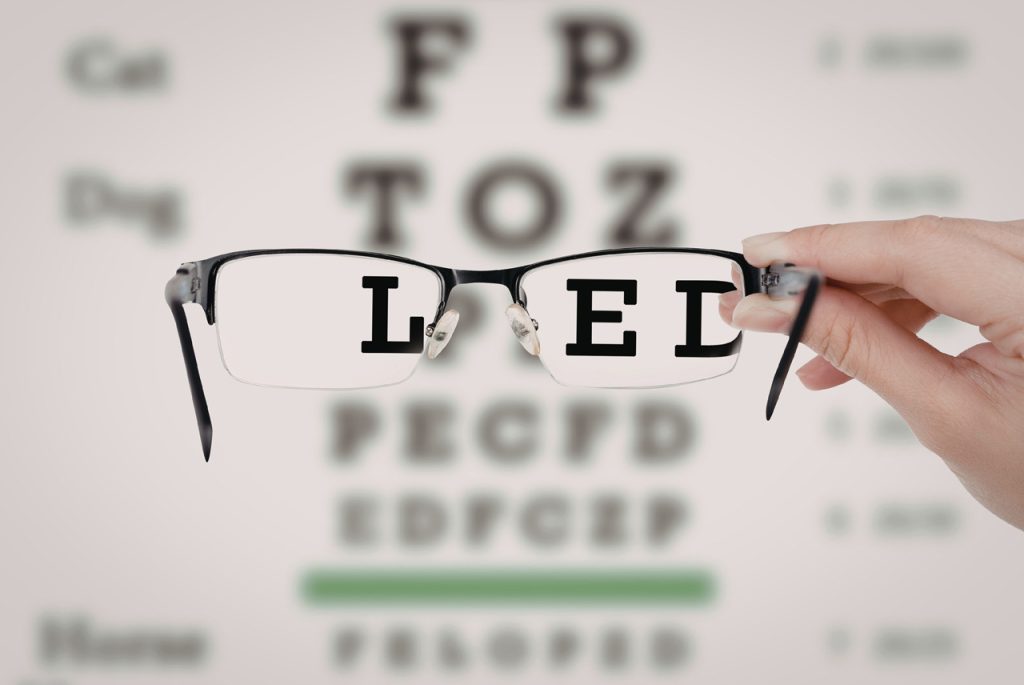
You’ll be checked to ensure you can see clearly and hear adequately, with or without corrective aids. Vision and hearing are critical for:
- Reading road signs
- Noticing hazards
- Responding to warnings
If you wear glasses or hearing aids, bring them.
Blood Pressure and Heart Health
Blood pressure is one of the most common issues evaluated during a CDL medical exam. High blood pressure doesn’t automatically disqualify you, but it may affect how long your certification lasts.
Heart health is also reviewed to make sure you can safely handle the physical demands of driving.
Medical History Review
The examiner will ask about:
- Past surgeries
- Chronic conditions
- Current medications
Honesty matters here. The goal isn’t to disqualify you—it’s to assess risk accurately.
Drug and Alcohol Considerations
Certain medications can impact alertness or reaction time. If you take prescription drugs, bring a list or documentation. This helps the examiner make an informed decision.
Common Conditions That Can Affect Certification
Many drivers assume that having a medical condition means automatic failure. That’s not true. What matters most is management and stability.
Diabetes
Drivers with diabetes can often be certified, especially if blood sugar levels are controlled and properly monitored.
High Blood Pressure
This is extremely common among CDL drivers. Controlled blood pressure may result in full certification, while higher readings may lead to shorter-term certification.
Sleep Apnea
Untreated sleep apnea can be dangerous due to fatigue and reduced alertness. Drivers who follow treatment plans and provide documentation often qualify without issue.
How Long Is a CDL Medical Certificate Valid?
Certification length depends on your health status at the time of the exam.
Standard Certification Period
Most healthy drivers receive a two-year medical certificate.
Short-Term Medical Cards
If a condition needs monitoring, you may receive a:
- 3-month card
- 6-month card
- 1-year card
This allows you to continue working while managing your health.
Why Drivers in St. George Place Choose DOT Physicals for Less
Not all clinics understand CDL requirements. That’s where DOT Physicals for Less stands out.
Affordable and Efficient Exams
Commercial drivers don’t want surprises—especially when it comes to cost. DOT Physicals for Less offers clear pricing and efficient service so you can get back on the road quickly.
Certified Medical Examiners Who Understand Drivers
You’re examined by professionals who know FMCSA regulations and respect your time and livelihood. No confusion. No unnecessary delays.
How to Prepare for Your CDL Medical Exam
A little preparation goes a long way.
What to Bring
- Valid photo ID
- Glasses or hearing aids (if applicable)
- List of medications
- Medical records for chronic conditions
Tips to Pass Your Exam
- Get enough sleep the night before
- Avoid salty or sugary foods beforehand
- Stay hydrated
- Take prescribed medications as directed
Think of it like preparing for a long drive—you want everything working smoothly.
What Happens If You Don’t Pass a CDL Medical Exam?
Not passing doesn’t mean your career is over.
Retesting, Follow-Ups, and Waivers
Many drivers simply need:
- Better blood pressure control
- Updated documentation
- Follow-up testing
Once issues are addressed, retesting is often possible.
CDL Medical Exam vs. Regular Physical Exam
A regular physical focuses on general wellness. A CDL medical exam focuses on safety-sensitive performance. It’s not about diagnosing illness—it’s about confirming driving capability.
DOT Physicals for Less Serving the St. George Place Community and Beyond in Houston
DOT Physicals for Less is dedicated to serving the diverse needs of the local community of Houston, including individuals residing in neighborhoods like St. George Place. With its convenient location near landmarks such as Anderson Park and major intersections like Chimney Rock Rd. and Westheimer Rd. (coordinates: 29.73918623290899, -95.47827386247604), we offer CDL medical exam Houston services.
Get CDL Medical Exam At St. George Place Now
Navigate from St. George Place to DOT Physicals for Less Now
Final Thoughts on CDL Medical Exams
The CDL medical exam is more than a requirement—it’s a safeguard for your career. It helps ensure you’re healthy enough to handle the demands of commercial driving while protecting everyone on the road.
For drivers in St. George Place, choosing DOT Physicals for Less means reliable exams, fair evaluations, and a smooth path to staying certified. When your livelihood depends on your health, where you go matters.
FAQs
1. How long does a CDL medical exam usually take?
Most exams are completed in 30 to 45 minutes.
2. Can I pass a CDL medical exam if I have high blood pressure?
Yes, especially if it’s controlled or being treated.
3. How often do I need a CDL medical exam?
Typically every two years, unless a shorter certification is issued.
4. Do I need to fast before the exam?
No, fasting is not required.
5. What happens if my CDL medical card expires?
You may lose your ability to drive commercially until it’s renewed.