CDL DOT Physical: Your Complete Guide To Passing
January 12, 2026
For commercial drivers, the CDL DOT physical isn’t just another requirement—it’s the backbone of your career. Without a valid medical certificate, you can’t legally drive, accept loads, or stay employed. That’s why understanding the process inside and out is so important.
Whether you’re new to commercial driving or a seasoned professional renewing your medical card, this guide is built to help drivers in St. George Place approach their DOT physical with clarity and confidence. We’ll break down what the exam involves, how to prepare, what can trip drivers up, and how to give yourself the best chance of passing the first time.
No confusing medical language. No unnecessary scare tactics. Just practical, real-world advice written with drivers in mind.
Understanding the CDL DOT Physical
Many drivers treat the DOT physical like a mystery box—something you just “go do” and hope for the best. But the more you understand it, the easier it becomes.
What Is a DOT Physical?
A DOT physical is a federally mandated medical examination required by the Federal Motor Carrier Safety Administration (FMCSA). Its purpose is to determine whether a commercial driver is physically, mentally, and medically qualified to operate a commercial motor vehicle safely.
This exam isn’t designed to diagnose new conditions or judge your lifestyle. Instead, it evaluates whether any existing medical issues could interfere with your ability to drive safely over long hours, under stress, and in unpredictable conditions.
Think of it like a preventative safety measure—similar to routine maintenance on your truck. Catching issues early keeps everyone safer in the long run.
Why DOT Physicals Matter for CDL Drivers
Commercial driving places heavy demands on the body and mind. Long hours behind the wheel, irregular sleep, tight schedules, and physical strain all add up. A DOT physical ensures that drivers can handle these demands without creating unnecessary risk.
Passing your DOT physical also protects you legally. If an accident occurs and your medical certification is expired or invalid, the consequences can be severe. Staying current keeps your career protected.

Who Needs a CDL DOT Physical?
If you hold a CDL or operate a commercial vehicle, the DOT physical likely applies to you.
Commercial Drivers Covered Under FMCSA
You are required to have a valid DOT medical certificate if you operate a commercial motor vehicle that:
- Has a gross vehicle weight rating of 10,001 pounds or more
- Transports hazardous materials
- Carries passengers for compensation
This includes many drivers who don’t realize they fall under DOT regulations—especially those driving smaller commercial vehicles.
Interstate vs Intrastate Drivers
Some drivers believe that only interstate drivers need DOT physicals. In reality, many intrastate drivers are also required to maintain a valid medical certificate depending on their role and vehicle type.
When in doubt, it’s safer to stay compliant. Skipping a required DOT physical can lead to fines, suspension, or being placed out of service.
What to Expect During a CDL DOT Physical
Knowing what happens during the exam helps remove fear and uncertainty.
Step-by-Step Exam Process
The DOT physical follows a standardized checklist used nationwide. This ensures consistency and fairness for all drivers.
Medical History Review
You’ll complete a detailed health history form that covers:
- Past surgeries or hospitalizations
- Chronic conditions
- Current medications
- Mental health history
Honesty is critical. Many drivers worry that being truthful will disqualify them, but undisclosed conditions are far more likely to cause problems later.
Vision and Hearing Tests
Clear vision and adequate hearing are essential for safe driving. You’ll be tested for:
- Distance vision
- Peripheral vision
- Ability to hear conversational speech
If you use corrective lenses or hearing aids, bring them with you and use them during the exam.
Blood Pressure and Vital Signs
Blood pressure is one of the most closely monitored factors. Elevated readings don’t automatically mean failure, but they may affect certification length.
Stress, caffeine, lack of sleep, and dehydration can all raise blood pressure temporarily—another reason preparation matters.
Urinalysis and Physical Exam
The urinalysis checks kidney function and screens for underlying medical concerns. This is not a drug test.
The physical exam evaluates:
- Reflexes and coordination
- Joint mobility
- Cardiovascular health
- General physical condition
Common Medical Conditions That Can Affect Your Results
Many drivers worry they’ll be disqualified due to a medical issue. In most cases, conditions are manageable rather than disqualifying.
High Blood Pressure
High blood pressure is the most common issue drivers face. Many drivers still qualify with a one-year certification while working to improve their readings through lifestyle changes or medication.
Diabetes
Drivers with diabetes can still pass their DOT physical if the condition is well-controlled. Documentation, treatment compliance, and regular monitoring are key.
Sleep Apnea
Sleep apnea has become a bigger focus in recent years due to its impact on alertness and reaction time. Drivers who demonstrate consistent treatment compliance are often approved without issue.
Heart Conditions
A history of heart-related issues doesn’t automatically disqualify you. What matters most is stability, treatment history, and clearance from your healthcare provider.
How to Prepare for Your DOT Physical
Preparation can dramatically improve your chances of passing.
What to Bring to Your Appointment
Arriving prepared saves time and avoids unnecessary delays. Bring:
- A valid government-issued ID
- A list of all medications
- Medical documentation for ongoing conditions
- Glasses or hearing aids if you use them
Tips to Pass on the First Try
Avoid caffeine before your appointment, get adequate rest, drink water, and take medications exactly as prescribed. These simple steps can make a measurable difference—especially for blood pressure and heart rate.
Preparation is like pre-trip planning. The more thorough you are, the smoother the journey.
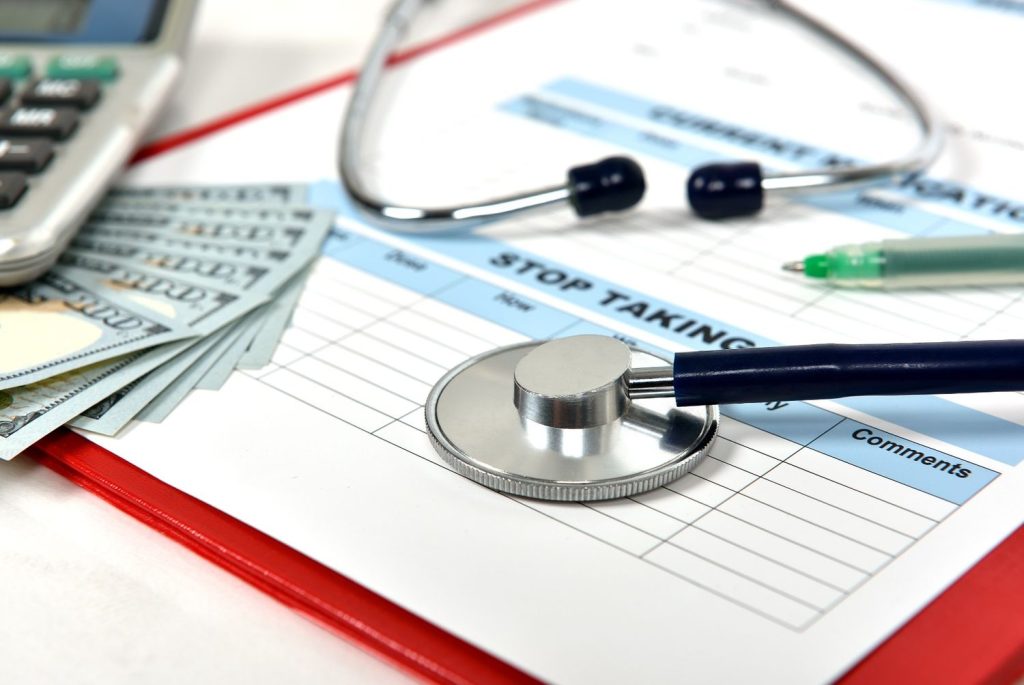
CDL DOT Physical Certification Lengths
Not every driver receives the same certification length, and that’s okay.
Two-Year Certification
This is issued when no medical concerns are present. It’s the most convenient option and requires the least frequent renewals.
One-Year and Temporary Certifications
Drivers with manageable conditions may receive shorter certifications. These allow you to continue working while monitoring health improvements.
What Happens If You Don’t Pass?
Failing doesn’t usually mean you’re done driving.
Disqualifications vs Correctable Issues
Most issues—such as elevated blood pressure or missing paperwork—can be corrected. Once resolved, many drivers return quickly for reevaluation and approval.
Choosing the Right DOT Physical Provider in St. George Place
The provider you choose can shape your entire experience.
Why Drivers Choose DOT Physicals for Less
Drivers in St. George Place trust DOT Physicals for Less because the focus is on efficiency, professionalism, and understanding the realities of commercial driving. Exams are conducted fairly, thoroughly, and without unnecessary obstacles.
That driver-centered approach makes the process smoother and far less stressful.
CDL DOT Physical Costs and Value
A DOT physical is a small investment compared to the income it protects. Choosing a provider with transparent pricing and efficient service helps minimize downtime and lost wages.
DOT Physicals for Less Serving the St. George Place Community and Beyond in Houston
DOT Physicals for Less is dedicated to serving the diverse needs of the local community of Houston, including individuals residing in neighborhoods like St. George Place. With its convenient location near landmarks such as the Danny Jackson Family Bark Park and major intersections like Sage Rd. and Hidalgo St. (coordinates: 29.734688012469345, -95.46791766522146), we offer CDL DOT physical Houston services.
Get CDL DOT Physical Services At St. George Place Now
Navigate from St. George Place to DOT Physicals for Less Now
Final Thoughts
Passing your CDL DOT physical isn’t about luck—it’s about preparation, honesty, and choosing a provider who understands drivers. When you know what to expect and take the exam seriously, it becomes routine instead of intimidating.
For drivers in St. George Place, staying compliant means staying on the road—and that starts with a DOT physical done right.
FAQs
1. How long does a CDL DOT physical usually take?
Most exams take between 30 and 45 minutes.
2. Can high blood pressure cause me to fail?
It may shorten your certification, but many drivers still qualify.
3. Is the DOT physical a drug test?
No, drug testing is a separate requirement.
4. What if I wear glasses or hearing aids?
That’s completely acceptable—just bring them with you.
5. How often do I need to renew my DOT physical?
Typically every two years unless a shorter certification is issued.